
How to Respond to Negative Google Reviews: A Quick Guide
How to Respond to Negative Google Reviews
Dealing with bad feedback can be challenging, but knowing how to respond to negative Google reviews professionally can actually turn an unhappy customer into a loyal advocate and protect your brand reputation. Whether you are a local business owner, digital marketer, or brand manager, handling criticism the right way builds strong customer trust.
Negative reviews can feel personal, especially when you work hard to deliver great customer service. Still, how you respond matters just as much as the complaint itself. A thoughtful reply shows that you take the customer’s experience seriously and that your business values accountability. Strong online review management helps protect trust, support reputation management, and show future buyers how you handle pressure. This guide walks you through practical ways to respond with confidence, clarity, and care.
Effective Ways to Respond to Negative Google Reviews
Every online review is public proof of how you treat people when things go wrong. For a business owner, that means negative feedback is not just a complaint. It is also a visible customer service moment that shapes trust on review sites.
Handled well, a thoughtful response can calm unhappy customers and reassure people who are still deciding whether to contact you. The next steps cover how to assess the customer’s experience, write with care, correct issues, and guide the conversation toward a fair resolution.
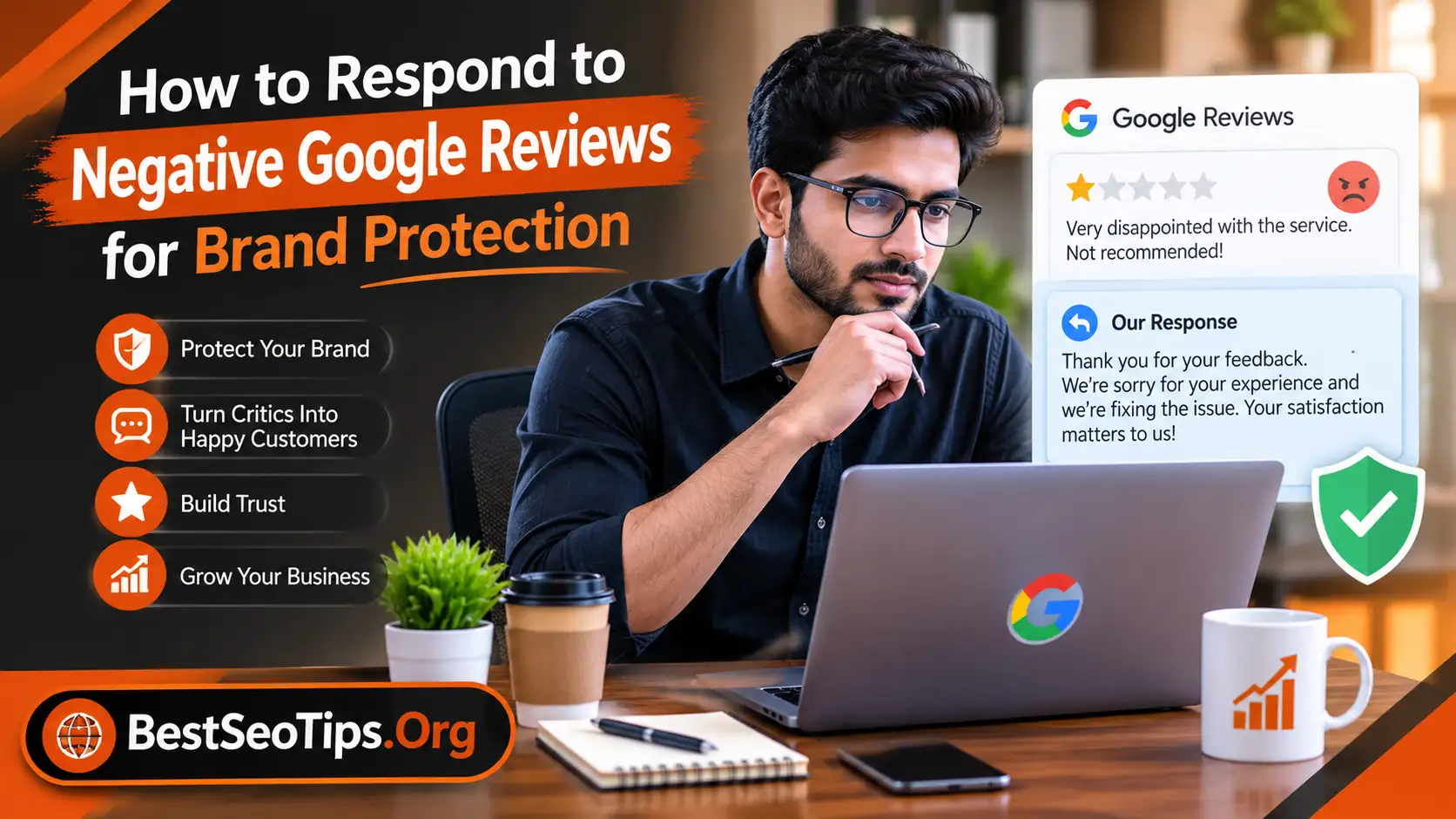
1. Read and Assess the Negative Google Review Carefully
Start by reading the negative review more than once. That pause helps you separate emotion from facts. Many customer reviews include useful details about timing, service issues, or communication gaps. If you rush, you may miss the real concern and respond to the wrong thing.
Next, assess what the reviewer is actually saying. Is the complaint about a bad experience, a misunderstanding, or a possible service failure? Check internal records, confirm names or dates, and compare the review with what happened. This step protects your customer experience process and keeps your reply accurate.
It also matters because potential customers read review sites closely. They notice whether your response addresses the issue directly. A careful review of tone, facts, and specific complaints is the first step to responding effectively to a negative Google review.
2. Respond Promptly But Thoughtfully
Speed matters. Many people expect a reply to a negative online review within a week, and a faster answer often makes a stronger impression. For a business owner, replying within 24 hours is a smart target, especially when the issue involves service delays, billing, or poor communication.
That said, do not rush into a careless post. A thoughtful response shows better customer service than a fast but emotional one. Take enough time to confirm facts, choose the right tone, and decide whether the case needs management review.
- Aim to check new reviews daily so nothing sits unanswered.
- Target a reply within 24 hours for most complaints.
- Escalate serious issues, such as safety or legal claims, before posting.
3. Address the Reviewer by Name if Possible
Personalization makes a response feel real. If the customer name appears in customer reviews, use it naturally in your reply. A simple opening like “Hi Maria” or “James, thank you for sharing this” feels more human than a generic statement. It shows you are speaking to a person, not just posting damage control on your Google Business Profile.
Using a name also helps confirm that you actually read the complaint. That matters when the reviewer describes a specific customer’s experience. Readers can spot copy-paste language quickly, and that weakens trust.
Keep it professional and simple. If the name is unclear, use a respectful alternative such as “Dear Guest” or “Hello.” The goal is authenticity. One of the best steps you can take to respond effectively to a negative Google review is to make the reply feel personal and attentive.
4. Thank the Reviewer for Their Feedback
Thanking someone for criticism may feel strange, but it works. When you express gratitude, you show that your business values customer feedback, even when it is difficult to read. That sets a respectful tone from the start and improves the quality of your review response.
It also tells future readers that your customer service team listens instead of hiding from problems. That matters for brand reputation. People want to know how you react under pressure, not only when everything goes well.
Keep your wording simple and sincere. You can say, “Thank you for bringing this to our attention,” “We appreciate your feedback,” or “Thank you for taking the time to share your experience.” Responding this way helps your business reputation because it shows maturity, openness, and a willingness to improve.
5. Apologize Sincerely and Show Empathy
A sincere apology can calm a tense situation quickly. If someone had a bad experience, they usually want acknowledgment before anything else. In public review spaces, empathy shows that your customer service approach puts people first.
An apology does not mean you agree with every detail. It means you recognize that the customer’s experience fell short of expectations. So yes, you should often apologize even if you disagree with parts of the review. You are responding to the frustration, not admitting fault for everything claimed.
Use clear language such as, “We’re sorry to hear this,” “I’m sorry your visit did not meet expectations,” or “We understand why this was frustrating.” For unhappy customers, empathy reduces tension. For everyone else reading, it signals professionalism, emotional control, and respect.
6. Take Responsibility Where Appropriate
When your team made a mistake, own it. Taking responsibility where appropriate shows confidence, not weakness. In reputation management, that kind of honesty can stop a complaint from growing into a larger public issue. It tells readers your customer service standards are real.
As a business owner, you do not need to accept blame for claims you cannot verify. Still, if the negative feedback points to a scheduling error, poor communication, or a clear service miss, say so plainly. A short acknowledgment often works better than a long explanation.
Try language like, “We fell short here,” or “We should have handled this better.” Paired with an apology, this approach keeps the response grounded. It also answers a common concern: you can apologize for the customer’s frustration while taking responsibility only for the parts your business can confirm.
7. Clarify Any Misunderstandings or False Information
Sometimes a negative review includes details that are incomplete or simply wrong. In that case, your job is not to argue in public. Your job is to provide calm clarification that protects your business without sounding hostile. That balance matters on review sites because future readers are judging your tone as much as your facts.
Start by acknowledging the concern. Then explain only what you can verify. If you cannot find a record of the situation, say so carefully. A useful line is, “We take all feedback seriously, but we are unable to locate your record in our system.”
That type of clarification works well on your Google Business Profile because it corrects the issue without escalating it. If the review appears false, invite the person to contact you directly and report the post through the platform if needed.
8. Offer a Solution or Next Step
A reply without action can feel empty. Once you acknowledge the issue, explain what happens next. This shows that your customer service team is focused on resolution, not just appearances. It also tells the reviewer and everyone else reading that customer feedback leads to real follow-up.
Keep the solution realistic. You do not always need to offer a refund. In many cases, a clear path to resolution is enough to rebuild trust and improve the chances of a better experience next time.
- Explain that you are reviewing internal procedures tied to the complaint.
- Invite the customer to contact you so the issue can be resolved directly.
- Offer to learn more and make things right through the proper support channel.
A good next step is one of the most effective parts of a strong response.
9. Invite the Reviewer to Discuss the Issue Offline
Public comments are not the best place to sort out private details. Once a complaint needs account records, scheduling specifics, or personal context, move it offline. This protects privacy and shows that your customer service team is interested in solving the problem, not performing for the audience.
Your public message should be short and professional. Let the reviewer know you want to continue the conversation in a more appropriate setting. That keeps the response respectful and avoids posting sensitive information where anyone can see it.
- Share a phone number for direct support.
- Provide contact information such as an email address.
- Invite the reviewer to send a direct message if that option is available.
This is a key step when responding effectively because it keeps the exchange private, practical, and professional.
10. Keep Your Tone Professional and Calm
Tone can change how your message is received. A calm review response makes your customer service standards visible to everyone reading. Even if the complaint feels unfair, a professional tone helps your business appear stable, respectful, and trustworthy.
Simple phrases work best. You might say, “We appreciate you sharing this,” “We’re sorry to hear about your experience,” or “We’d like the opportunity to make this right.” A response template can help your team stay steady, especially when emotions are high.
This matters because potential customers often read bad reviews before deciding what to do next. If they see patience and control in your reply, they may trust your business more. The mistake to avoid is letting frustration shape the message. Calm language protects your reputation better than a perfect defense.
11. Avoid Defensive or Emotional Language
Defensive replies rarely help. When a business argues with a reviewer, the focus shifts from solving the problem to winning a public fight. On any online review platform, that makes the business look reactive. It can also make legitimate negative feedback appear even more serious.
A neutral tone builds more trust. You do not need to answer every accusation or correct every emotional phrase. Instead, acknowledge the concern, respond to what you can verify, and guide the discussion toward resolution. That approach reflects stronger customer service.
Avoid phrases like these:
- “You misunderstood.”
- “We’ve never had this issue before.”
- “That is not what happened.”
An emotional response may feel satisfying for a moment, but it damages credibility. Neutral language shows control, fairness, and respect for both the reviewer and future readers.
12. Use Review Response Templates for Consistency
Templates save time and help teams stay on brand. In online review management, a good response template creates consistency across review sites and helps multiple team members answer in a similar voice. That is especially useful when you manage a busy Google Business Profile.
Still, templates should guide your response, not replace judgment. The best replies start with an approved structure, then add details from the actual complaint. This prevents robotic wording and makes the customer feel heard.
Here are simple template starters:
- “Thank you for sharing this feedback. We’re sorry to hear about your experience.”
- “We appreciate you bringing this to our attention and would like to learn more.”
- “We take concerns like this seriously. Please contact us directly so we can help.”
Yes, you can use templates for bad Google reviews. Just adapt them to fit the situation.
Common Mistakes to Avoid When Responding to Negative Google Reviews
Even well-meaning businesses make avoidable errors when replying to negative feedback. A rushed message, a defensive tone, or silence can make bad reviews look worse than they already do. For any business owner, these moments test judgment as much as customer service.
Good online review management is not only about what to say. It is also about what not to do. The next sections cover common mistakes that weaken a professional response and show how to avoid turning one complaint into a bigger reputation problem.
Responding in Anger or Hastily
A fast reply is helpful, but an angry one is costly. When bad reviews trigger an emotional response, the business often sounds careless or hostile. That hurts trust far more than the original complaint. Readers notice when a company loses control in public.
Pause before you post. Review the comment, check the facts, and let someone else read your draft if needed. A thoughtful review response shows stronger customer service than a sharp comeback. Patience protects your message from frustration-driven mistakes.
Angry responses can make a single negative experience look like a pattern of poor conduct. They also invite more public conflict. The mistake to avoid is replying from emotion instead of process. Calm, fact-based writing keeps the focus on resolution and helps your business look responsible under pressure.
Ignoring or Deleting Legitimate Negative Google Reviews
Ignoring legitimate negative reviews sends the wrong message. It suggests that customer feedback is not important or that your business does not want to address problems openly. On a public online review platform, silence can look like indifference.
Deleting valid complaints is also risky. People value transparency, and missing criticism can make your Google Business Profile seem less trustworthy. If a review reflects a real customer concern, it is usually better to answer it professionally than try to erase it.
Strong reputation management depends on accountability. A measured response shows that your business is willing to listen, explain, and improve. Even when the review is uncomfortable, responding gives you a chance to shape the narrative. Ignoring the issue gives that control away to the reviewer alone.
Copy-Pasting Generic Replies Without Personalization
A response template is useful, but copy-pasting the same message everywhere can backfire. Readers quickly spot generic language, and it makes your customer service feel distant. The reviewer may feel ignored, even if you technically replied.
Templates work best as a starting point. Add a detail from the feedback, reference the issue raised, and adjust the tone to fit the situation. That small effort improves authenticity and helps the review response feel thoughtful instead of automated.
Yes, you can use template responses for bad Google reviews. Just do not post them unchanged. Personalization is what turns a basic framework into a real conversation. When people see that your team responds with care and attention, they are more likely to trust your business and believe your service standards are genuine.
Sharing Private Customer Information Publicly
Privacy should guide every public reply. Even if you want to explain what happened, an online review is not the place to post private information. Sharing names, account details, appointment records, or personal contact history can create bigger problems than the complaint itself.
A safer approach is to keep the public response general and move the discussion offline. You can invite the customer to continue the conversation using approved contact information, such as a support email or phone line. That protects both the customer and your business.
This mistake is easy to make when you feel pressured to defend your side. Resist that urge. Good customer service includes discretion. A professional reply shows concern, offers a path forward, and avoids exposing details that should stay private. Privacy is part of trust, and trust shapes reputation.
Promising Solutions You Can’t Deliver
Overpromising can create a second disappointment. In an effort to calm the reviewer, a business owner may offer a solution that the team cannot actually deliver. When that happens, the original complaint grows into a credibility issue.
It is better to promise less and follow through fully. If you need to investigate, say that. If the next step is a private discussion, explain that clearly. Honest, realistic wording supports stronger customer service than dramatic promises made under pressure.
This matters for reputation management because public replies are not just for the unhappy customer. They are for everyone watching. A response should show care, not desperation. Listen to the feedback, offer a practical next step, and commit only to what your business can truly do. Reliability always reads better than exaggeration.
Real-World Examples of Negative Google Review Responses
Seeing response examples makes the process easier. A strong review response usually follows a simple pattern: acknowledge the issue, show empathy, clarify only when needed, and offer a next step. That structure works across many types of negative reviews and supports better customer service on your Google Business Profile.
Below is a quick text table you can use in online review management. It compares common situations with the best response style.
| Review Situation | Best Response Style | Why It Works |
|---|---|---|
| Service complaint | Apologize, acknowledge, offer solution | Shows accountability and action |
| False claim | Calm clarification, invite offline contact | Protects facts without sounding defensive |
| Angry message | Short, empathetic, professional reply | Lowers tension and builds trust |
Example: Apologizing and Offering a Solution to a Restaurant Complaint
Imagine a restaurant review says the meal arrived late and the service felt inattentive. This is a case where a clear apology and a simple solution work well. The goal is to acknowledge the problem and show the guest that the business takes the feedback seriously.
A professional response could read: “Thank you for sharing this feedback. We’re sorry your visit did not meet expectations, especially with the delay and service issues you described. We’d like the opportunity to learn more and make this right. Please contact us directly so we can follow up.”
This kind of customer service reply is effective because it avoids excuses. It addresses the complaint, offers a solution, and invites private follow-up. A calm response like this can improve perception, even after a negative restaurant review.
Example: Handling a False or Unfair Negative Google Review
Now consider a post that describes an event your records do not support. False reviews are frustrating, but the smartest move is calm clarification. Your reply should protect your online reputation without turning into a public argument on your Google Business Profile.
A useful example is: “We take all feedback seriously, though we’re unable to locate your record in our system. Please reach out to us directly so we can verify the details and better understand your concern.” This wording adds clarification without insulting the reviewer.
Yes, you can dispute an unfair review through Google if it appears fabricated or violates policy. While you pursue that option, a measured customer service response helps protect trust. It shows readers that your business investigates concerns carefully instead of reacting defensively.
Example: Defusing an Emotional Customer Interaction
Some negative review posts are driven by anger more than detail. In these cases, the best move is not to match the energy. Strong customer service means staying steady, showing empathy, and refusing to fuel the conflict. Shorter replies usually work better here.
A good example would be: “We’re sorry to hear about your bad experience and appreciate you bringing this to our attention. We understand your frustration and would like the chance to learn more. Please contact us directly so we can discuss this privately.” This keeps the tone calm and respectful.
That type of response helps defuse an emotional response because it acknowledges the feeling without arguing over every claim. It also signals to future readers that your business stays professional, even when the review itself is heated.
Example: Turning a Negative Review Into a Positive Outcome
A thoughtful response to a negative review can significantly enhance customer loyalty. For instance, consider a situation where a customer expressed dissatisfaction over a delayed service. Acknowledging their concerns and offering a solution—such as a discount on their next purchase—can transform their negative experience into a positive one. Expressing gratitude for their feedback and emphasizing the positive aspects of their initial experience helps to balance their perspective. This kind of proactive engagement not only mitigates the impact of the bad review but also showcases your commitment to excellent customer service, ultimately strengthening your brand reputation.
Advanced Strategies for Managing Negative Google Reviews
Addressing negative Google reviews effectively can significantly enhance your online reputation. Employing a strategy of active engagement helps transform dissatisfied customers into brand advocates. For instance, utilizing a response template can ensure consistency while expressing gratitude, acknowledging the customer’s experience, and detailing steps taken to resolve the issue. This thoughtful response not only reassures the unhappy customer but also showcases your commitment to excellent customer service for potential customers browsing your Google business profile. Furthermore, leveraging customer feedback and insights from these reviews can identify areas for improvement. Engaging directly with the reviewer through a direct message may also provide a platform for further discussion, shedding light on their experience and fostering a positive relationship moving forward.
Developing a Standard Operating Procedure for Review Responses
A standard operating procedure (SOP) for responding to reviews creates clarity and structure for your team. This guideline should include response templates that reflect your brand’s voice while ensuring professionalism. By training staff to incorporate key elements like expressing gratitude and addressing customer concerns, responses can effectively turn a negative experience into a positive interaction. Regularly updating the SOP with examples of great response strategies is crucial. Encouraging your team to engage with customer feedback enhances performance and improves customer service. This proactive approach encourages satisfaction and reinforces brand reputation, leading to better experiences for future customers.]
Training Staff to Handle Negative Feedback on Google
Empowering your team to effectively handle negative feedback on Google is essential for maintaining a strong brand reputation. Regular training sessions can equip staff with the skills needed to respond compassionately and constructively, transforming an unhappy customer’s experience. Role-playing scenarios can help team members practice thoughtful responses, ensuring they feel confident and prepared during real interactions. Encouraging a culture of active engagement is vital. Team members should understand the importance of each review, as even isolated cases can impact your overall reputation. Providing a structured response template can streamline their replies, enabling them to express gratitude for the feedback and address concerns professionally.
Leveraging Customer Feedback for Business Improvements
Customer feedback serves as a valuable resource for enhancing business operations. Actively analyzing both positive reviews and negative feedback allows business owners to pinpoint areas that require improvement, ultimately leading to a better customer experience. By inviting open dialogue, companies can gain insights into the customer’s experience, turning criticisms into constructive opportunities for growth. Implementing suggestions from dissatisfied customers often results in long-term benefits, fostering loyalty and trust. Utilizing this feedback not only improves services but also shapes future interactions, making customers feel heard and appreciated, which is invaluable for maintaining a strong brand reputation.
Using Review Management Tools and Software
Review management tools offer invaluable support for businesses striving to maintain a positive online reputation. These platforms simplify the process of monitoring customer feedback across various review sites, allowing you to respond promptly to negative comments. With features like sentiment analysis and response templates, they empower business owners to craft thoughtful responses that demonstrate excellent customer service. Leveraging automation, these tools can notify you of new reviews in real-time, ensuring that even isolated cases of negative feedback are efficiently addressed. By integrating these technologies, businesses can enhance their customer’s experience and ultimately foster loyal, satisfied customers.
Frequently Asked Questions
Is it possible to have an unfair negative Google review removed?
While it’s challenging to remove an unfair negative Google review, you can request its removal if it violates Google’s policies. Additionally, responding professionally and addressing the issues raised may help mitigate the impact of the review on potential customers.
Should I always apologize in my response to a negative Google review?
Apologizing in response to a negative Google review is often advisable, as it shows empathy and takes accountability. However, tailor your response based on the situation. Consider the specifics of the feedback before deciding whether an apology is warranted.
How fast should I respond to a negative Google review?
Responding to a negative Google review promptly—ideally within 24 to 48 hours—demonstrates your commitment to customer satisfaction. Swift responses can mitigate potential damage, showcase your dedication to resolving issues, and improve the overall perception of your business.
Conclusion
Managing negative Google reviews requires finesse and a strategic approach. By engaging thoughtfully with your customers and addressing their concerns, you can transform a negative experience into an opportunity for improvement. Utilizing the strategies outlined in this guide empowers business owners and managers to safeguard their brand reputation while fostering a loyal customer base. Navigating customer feedback effectively can lead to a better overall experience for future customers. Remember, each review is a chance to showcase your commitment to excellent customer service, ultimately helping you build stronger relationships with your audience while enhancing your online presence.

Amelia Brooks
Amelia Brooks writes about Google Reviews and the problems that come up when businesses receive online customer feedback. Her writing covers how to improve review scores, handle bad reviews or missing reviews, understand what Google wants from reviews, respond to people, and get more real feedback from happy customers. Amelia explains Google Reviews in a way everyone can understand. She shares tips that help owners make their business look better to people, build trust, and keep good reviews working for the business over time.