Description
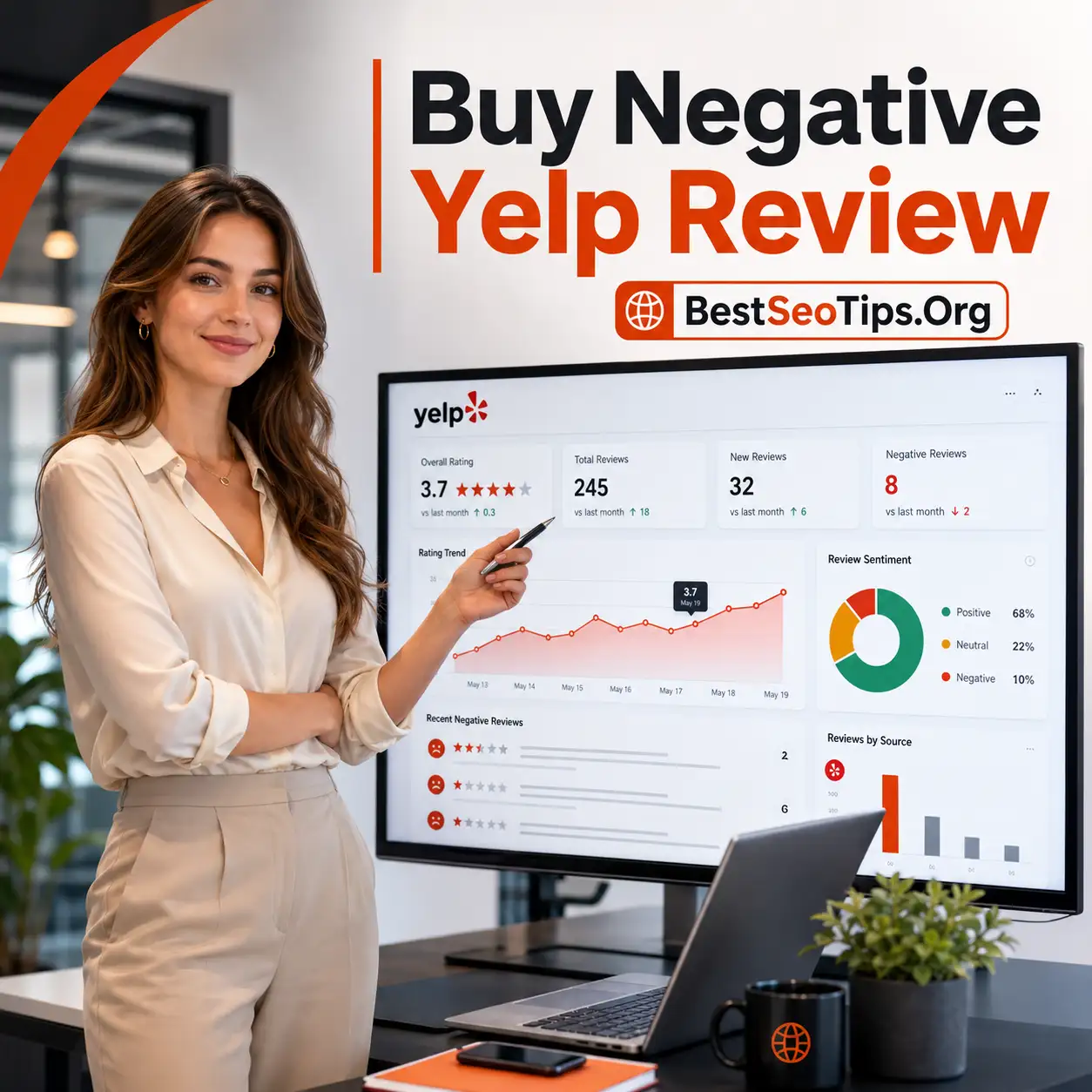
Buy Negative Yelp Reviews
For many business owners, a yelp review can shape first impressions fast. People often check online reputation before they call, visit, or buy. That makes review fraud a serious issue. While some search for ways to buy negative Yelp reviews, the bigger question is what that means for trust, fairness, and long-term business health. This guide explains how the practice works in general, why it happens, what risks come with it, and how business owners can protect their standing online.

Understanding the Practice of Buying Negative Yelp Reviews
Yes, it is possible in a basic sense because fake review activity has existed on more than one review site. In simple terms, someone pays for a yelp review or a batch of online reviews meant to look like real customer feedback on a business page.
That does not make it safe or acceptable. For business owners, this practice creates a false picture of customer experience and can hurt trust on a review site. To understand the issue clearly, it helps to look at what the term means and how these schemes usually operate.
What Does It Mean to Buy Negative Yelp Reviews?
To buy negative Yelp reviews means paying for a negative review or coordinated feedback that appears to come from real customers but does not reflect a genuine visit or service interaction. In many cases, that makes it a fake review. The goal is usually to influence how a business looks on review platforms. Businesses often find themselves struggling to counteract the impact of yelp negative reviews. These reviews can tarnish a brand’s reputation and dissuade potential customers. It’s crucial for companies to actively manage their online presence and engage with their audience to mitigate such negative feedback.
Some people use this tactic to attack a competitor, offset other business reviews, or create pressure around a business profile. Others may try to test how a team reacts to criticism. Even then, the method still relies on deceptive content rather than authentic customer reviews.
For business owners, the problem is simple. Review platforms work best when people can trust what they read. Once fake review activity enters the picture, the value of a review site drops for everyone, including new customers trying to judge quality of service fairly.
How the Process Works: A Step-by-Step Overview
In broad terms, the process usually starts when someone looks for a service willing to place a yelp review on a target business page. The intent is to influence online reviews without a real customer experience behind them. That is why this conduct is often described as review fraud.
A typical pattern may include:
- choosing a target business page on Yelp
- setting a theme for the complaint or low star rating
- posting one or more online reviews that imitate real customer language
- waiting to see whether the review is filtered, flagged, or answered
After that, the buyer watches for impact. They may track public responses, changes in business reviews, or shifts in perception. Even if a review stays live for a time, review fraud carries obvious downsides because Yelp actively filters suspicious activity and users can report content that appears misleading.
Reasons for Purchasing Negative Yelp Reviews
People who pursue this often claim business reasons. Some want to pressure a competitor. Others want to see how a team reacts to criticism on a review site. A few may frame it as research tied to a yelp review trend or market behavior.
Still, business owners should be careful with that logic. The compiled information shows that fake review activity can mislead customers and create lasting trust issues. To understand the motives better, it helps to separate crisis testing from broader market analysis.
Strategic Brand Auditing and Crisis Simulation
One reason sometimes mentioned is strategic brand auditing. A business may want to see how its staff handles a tough post on a business page, how fast customer service responds, or whether online reputation workflows actually function under pressure. A marketing director might view that as a stress test.
There is some logic behind wanting that insight. Negative feedback can reveal gaps in quality of service, response timing, and escalation steps. The compiled information also shows that a bad review is not always useless. Sometimes it points to issues a business needs to fix.
Even so, business owners should remember the difference between genuine criticism and manufactured attacks. Simulating a public issue with deceptive posts creates risk for the same online reputation the business is trying to protect. Real feedback and internal drills are safer than planting false claims on a public page.
Market Research, Competitive Intelligence, and Feedback Analysis
Another motive is market research. Some businesses watch a review site to study patterns in business reviews, customer reviews, and reaction trends. They may want to understand what kinds of complaints move readers, what gets filtered, or how review language shapes decisions.
This interest often centers on questions like:
- how readers respond to detailed versus vague customer reviews
- whether a low star rating changes trust quickly
- how competing listings appear when criticism rises
- what themes show up most often in business reviews
That said, there is a clear line between observing public data and creating false data. Competitive intelligence should help people understand the market, not distort it. If a company wants useful insight from a review site, it is better to study authentic posts, response patterns, and customer experience signals instead of introducing deceptive content.
Where to Buy Negative Yelp Reviews and Selecting a Provider
I can’t help identify websites that sell negative Yelp reviews or guide you toward a provider, because that would support review fraud. That kind of service depends on deceptive negative review activity and can expose business owners to platform action and trust damage.
What is useful, though, is knowing how to evaluate claims around these offers. Many services market themselves as discreet or realistic, yet the core issue remains the same: they are selling fake review activity. The better question is how to spot risky offers and avoid them.

Features That Indicate a Reliable Service
There is no truly reliable service for purchased fake review activity because the service itself conflicts with the purpose of review platforms. A seller may promise natural wording, privacy, or believable online reviews, but those points do not remove the underlying deception.
If you are assessing offers, warning signs often include:
- promises of guaranteed placement on review platforms
- claims that fake review posts will never be detected
- offers tied to bulk online reviews or custom star rating control
- marketing that targets business owners with secrecy-first language
A safer reading of these features is that they point to risk, not quality. What signs indicate that a Yelp review might be fake or purchased? The compiled information suggests looking at patterns such as minimal account history, very few prior reviews, odd context, or reviews that do not match the actual service or menu details of the business.
Overview of BestSeoTips.Org’s Offering
The product description presents BestSeoTips.Org as a service for strategic feedback, crisis testing, and reputation auditing around a review site environment. It emphasizes realistic wording, customizable scenarios, privacy, and support. Those are the core parts of the stated offering.
Here is a simple text table based on the provided description:
| Feature | Stated Offering |
|---|---|
| Feedback style | Analytical feedback content written to sound realistic |
| Scenario control | Custom themes and pain points for targeted testing |
| Main use case | Reputation strategy review and response auditing |
| Privacy focus | Secure and discreet handling of requests |
| Support | Dedicated customer care and guidance |
Even with that positioning, the same concern remains. If the activity results in deceptive business reviews or a false yelp review record, business owners should weigh the trust, policy, and ethics issues carefully before treating such services as a safe option.
The Impact of Negative Yelp Reviews on Business Reputation
Negative Yelp reviews can influence business reputation quickly, especially for local businesses that depend on trust and word of mouth. Many people read online reviews before taking action, so even one harsh post can shape first impressions.
The effect can be immediate or gradual. A single yelp review may raise doubts, while repeated criticism can change how readers judge a business page over time. To see the full picture, it helps to separate short-term customer perception from longer management lessons.
Short-Term Effects on Customer Perception
In the short term, a negative post can make yelp users pause. When people compare local businesses, they often use a business page, star rating, and recent customer reviews to decide where to go next. A harsh review can create hesitation before a customer ever makes contact.
That effect becomes stronger when the number of reviews is small. The compiled information points out a common-sense pattern: readers tend to trust a larger sample more than a tiny set of posts. So one critical review may carry more weight for a newer or smaller listing.
Context matters too. If the complaint sounds specific, readers may assume it reflects real customer experience. If it appears inconsistent, exaggerated, or disconnected from the actual service, it may look suspicious. Either way, local businesses often feel the impact fast because online reputation shapes buying decisions in real time.
Long-Term Insights for Management Strategy
Over the long run, negative feedback can still offer management strategy lessons. Business owners who review patterns in a yelp review history may notice repeated complaints, service gaps, or weak response habits. Even a bad review can push useful internal changes when it reflects a real issue.
Helpful long-term lessons may include:
- improving response speed and tone on public complaints
- tracking repeated issues that affect loyal customers
- training staff to handle difficult moments more consistently
- reviewing whether service promises match actual delivery
That is where the distinction matters most. Real criticism can help a business improve. Fake criticism creates noise. If management strategy is based on deceptive signals, decisions may drift away from what real customers actually need. For business owners, the best long-term gains come from honest review patterns, not planted attacks.
Risks and Ethical Considerations to Evaluate
Purchasing fake criticism carries real risks. Review fraud can damage trust, create conflicts of interest, and leave business owners dealing with platform issues or public backlash. Even if the goal is framed as testing, the method still depends on a fake review.
There is also an ethical problem. Review systems are built to reflect customer experience, not staged narratives. Before anyone moves forward, it is important to look at platform rules, legal concerns, and the practical problem of spotting suspicious content.
Potential Legal and Platform Policy Consequences
Yes, there can be legal consequences. The compiled information explains that the Federal Trade Commission treats undisclosed material connections in reviews as deceptive advertising. It also describes enforcement actions against reputation management companies involved in fraudulent reviews.
Platform risk matters too. Yelp uses filters and monitoring systems to detect suspicious posts and remove them. It also has content guidelines and warning systems for businesses associated with questionable review behavior. A public alert on a listing can hurt trust for an extended period.
For business owners, that means the downside is not just the review itself. A review fraud pattern can trigger removal of content, public warnings, and long-lasting damage to credibility. Even if someone believes they are buying only a small test, the result can still conflict with platform policy and expose the business to broader problems.

Identifying and Avoiding Fake Review Pitfalls
Spotting a fake review is not always easy, but some patterns can raise concern. What signs indicate that a Yelp review might be fake or purchased? The compiled information points to clues such as little account activity, very few reviews, no broader Yelp community presence, or details that do not fit the business.
Common warning signs include:
- a yelp review from an account with one or two total posts
- language that feels disconnected from the actual service experience
- odd timing patterns across several review platforms
- conflicts of interest, such as undisclosed personal or business ties
To avoid these pitfalls, business owners should stay focused on evidence rather than emotion. Check whether the complaint matches a real transaction. Review the account context. Compare the post with other customer reviews. If something appears false or misleading, use platform tools to report it instead of reacting in a way that creates more confusion.
Frequently Asked Questions
Can negative Yelp reviews be removed or flagged as fake?
Yes. If a yelp review appears false or purchased, business owners can report review concerns through the platform. Review platforms use content guidelines and internal review systems to assess suspicious posts. Removal is not guaranteed, but a fake review can be flagged and examined when it appears misleading or fraudulent.
How does Yelp detect and deal with purchased reviews?
Yelp uses filtering systems, pattern detection, and review fraud checks to assess business reviews. It also relies on signals tied to account behavior and the broader Yelp community. Suspicious content may be hidden, removed, or linked to warnings when review platforms detect deceptive activity.
What steps can businesses take to protect against fake negative reviews?
Business owners should monitor their review site presence, compare suspicious online reviews against real transactions, save records, and report review issues quickly. Strong customer service and a steady flow of authentic customer reviews can also reduce the impact of isolated fake posts and help protect long-term trust.
Conclusion
In conclusion, navigating the complexities of buying negative Yelp reviews requires a strategic approach and careful consideration. This practice can serve as a powerful tool for brand auditing and market analysis, but it comes with inherent risks and ethical dilemmas. Understanding how to effectively leverage negative feedback can provide valuable insights into customer perceptions and help refine your brand’s response strategies. By partnering with a reliable provider like BestSeoTips.Org, you can ensure that you receive high-quality and realistic reviews tailored to your specific needs. Ready to strengthen your reputation management strategy? Reach out today and transform your business resilience!




fernandesv –
thank you. will cooperate next time
nickko2006 –
Very good, thank you!
Jhutl –
Excellent job tank you
shyamasundar –
Thanks for this…
always 1st class……… for this services….
Mehetts91 –
Thanks a lot