Writing Useful SaaS Reviews: A Complete Guide With Examples
Writing Useful SaaS Reviews
Writing useful SaaS reviews is about helping readers make better software decisions through clear, honest, and practical information. A high-quality SaaS review should explain not only what a tool does, but also how well it works in real-world situations, who it is best for, and whether it provides good value.
A useful review typically covers the software’s main features, ease of use, pricing, performance, customer support, pros and cons, limitations, and overall user experience. Instead of using vague statements like “This is a great SaaS tool,” a strong review provides specific observations, practical examples, and a balanced assessment of both strengths and weaknesses.
The best SaaS reviews are helpful rather than promotional. They give readers enough context to compare their options, understand potential limitations, and decide whether a particular software solution fits their needs. Whether you are reviewing an SEO platform, CRM, project management tool, marketing software, or another SaaS product, the goal is simple: provide honest insights that help the reader choose with confidence.
What Makes a SaaS Review Useful?
A useful review helps readers decide if a saas product fits their work, budget, and goals. It gives informative reviews based on real use, not vague praise. That means covering what the tool does, where it helps, and where it creates friction.
Just as important, the review should include an objective evaluation of the software and explain the customer experience in plain language. Readers want specifics. They want to know what happened when the product was tested, who it serves best, and whether the value matches the promise.

Essential Elements of a High-Quality SaaS Review
At the core, a strong review gives readers enough detail to judge the tool for themselves. It should reflect real product experience and connect the software to a clear saas business need. This matters even more as new saas companies enter the market and compete for attention.
A useful review should cover these points:
- What problem the software solves for its customer base
- The key features readers will care about first
- Who the product is best suited for
- Real strengths and limitations from actual use
- Whether pricing feels fair for the results offered
You should also explain your testing context. Did you use a demo, a free trial, or only review the official site and public feedback? That level of honesty makes your review easier to trust and far more helpful for buyers comparing options.
How SaaS Reviews Help Potential Users
SaaS reviews help potential customers reduce uncertainty. Instead of relying only on sales pages, they can see how a saas product performs in real situations. That makes the buying process less risky and more informed.
For many readers, the biggest value is context. They want to know if the tool supports their business goals, team size, and daily tasks. A review that explains user experience clearly helps them picture what adoption might look like.
To make a review useful, focus on:
- The main job the tool handles best
- The kind of user or team that benefits most
- The trade-offs a buyer should expect
That approach helps readers compare options based on real needs, not marketing language. When you answer practical questions, your review becomes a decision tool rather than just another opinion piece.
Key Questions to Address in Your Review
Before you write, ask what your reader really needs to know. In a crowded saas market, broad claims are not enough. A strong review answers specific questions tied to pain points, budget, and workflow.
Start by thinking about the target audience. A freelancer, a small team, and an enterprise buyer may look at the same product very differently. Your review should reflect those differences and connect features to operational needs.
Useful questions include:
- What problem does this tool solve?
- Who is the target audience?
- Is there a free trial or demo to test it first?
- Which features matter most in daily use?
- What limits or frustrations showed up during testing?
- Does it fit simple or complex operational needs?
When you answer these directly, your review becomes more complete, more readable, and more valuable for people trying to choose the right software.
Beginner’s Guide: Getting Started With Writing SaaS Reviews
If you are new to this, start simple. A good content writer does not need fancy language to produce a helpful review. You need a clear process, careful observation, and enough research to explain what the tool does and who it helps.
Think of your role as part reviewer and part review collector. Your work can support saas management efforts by educating buyers and attracting qualified leads. The next steps cover what to prepare before writing and how to understand the people reading your review.
Tools and Resources You Need Before Writing
Preparation shapes the quality of the final review. Before writing, gather facts from the official site, test the product if possible, and scan public feedback. That gives you a broader view of how the software performs across different users and software solutions.
You should also think about discoverability. If your review is meant for a blog or publisher, basic keyword research helps you match what readers are already searching for. Social media comments and forum discussions can also reveal repeated concerns or praise.
Helpful resources include:
- The official website for features, pricing, and terms of service
- A demo or free trial for direct product use
- Review platforms and social media for public sentiment
- Notes on the ideal customer profile the tool appears to target
These sources help you stay honest, specific, and balanced. They also reduce guesswork, which keeps your review grounded in useful evidence instead of assumptions.
Understanding Your Audience and Their Needs
A review becomes useful when it speaks to the right reader. That starts with a keen understanding of your target audience. Ask yourself who is most likely to use the tool and what they are trying to improve.
Different business sectors care about different things. A startup may focus on price and speed. Larger teams may care more about scaling, support, and integrations. Your structure should reflect those priorities so potential readers can find the parts that matter most.
Keep these audience points in mind:
- Team size and business sectors served
- Main pain points and expected outcomes
- Budget limits and buying stage
- Technical skill level of likely users
When you understand the reader first, your review becomes easier to organize. You can lead with the most relevant details instead of forcing everyone through the same generic explanation.
Step-by-Step Process for Writing a Useful SaaS Review
Writing a strong review is easier when you follow a simple sequence. Many writers and every good content agency rely on a repeatable process because it improves clarity and consistency. That matters when readers are comparing many software products from different saas companies.
The goal is not to praise or dismiss a tool too fast. It is to produce an objective evaluation of the software based on use, research, and audience fit. The steps below walk you through that process from testing to final judgment.
Step 1: Use the SaaS Product Yourself
First, spend time with the tool. Real product experience gives your review weight. In the saas market, readers can spot secondhand writing fast. They want to know what happened when someone actually clicked through the product.
If the company offers a free trial or demo, use it. Test the setup flow, dashboard, and core actions. Look for friction points, hidden strengths, and anything that feels unclear. Even a short test can reveal far more than a feature list alone.
This step helps potential users make decisions because it replaces guesswork with direct observation. You can explain what the saas product feels like in use, not just what the brand promises. That simple shift turns a weak summary into a practical review readers can trust.
Step 2: Identify the Main Use Case and Target Users
Next, define the main use case. Every tool claims to do many things, but most products shine in one core area. Your review should identify that clearly so readers can tell if the software matches their day-to-day work.
Then match the product to its target audience. Is it better for freelancers, small teams, or larger companies? A smart review connects the software to a real saas business context and explains which business goals it supports best.
This is one of the essential elements of a useful review because it gives the product a clear frame. Without that frame, features feel disconnected. With it, readers can judge relevance faster. They can see whether the tool solves their problem or whether it was built for someone else entirely.
Step 3: Evaluate Core Features and Functionalities
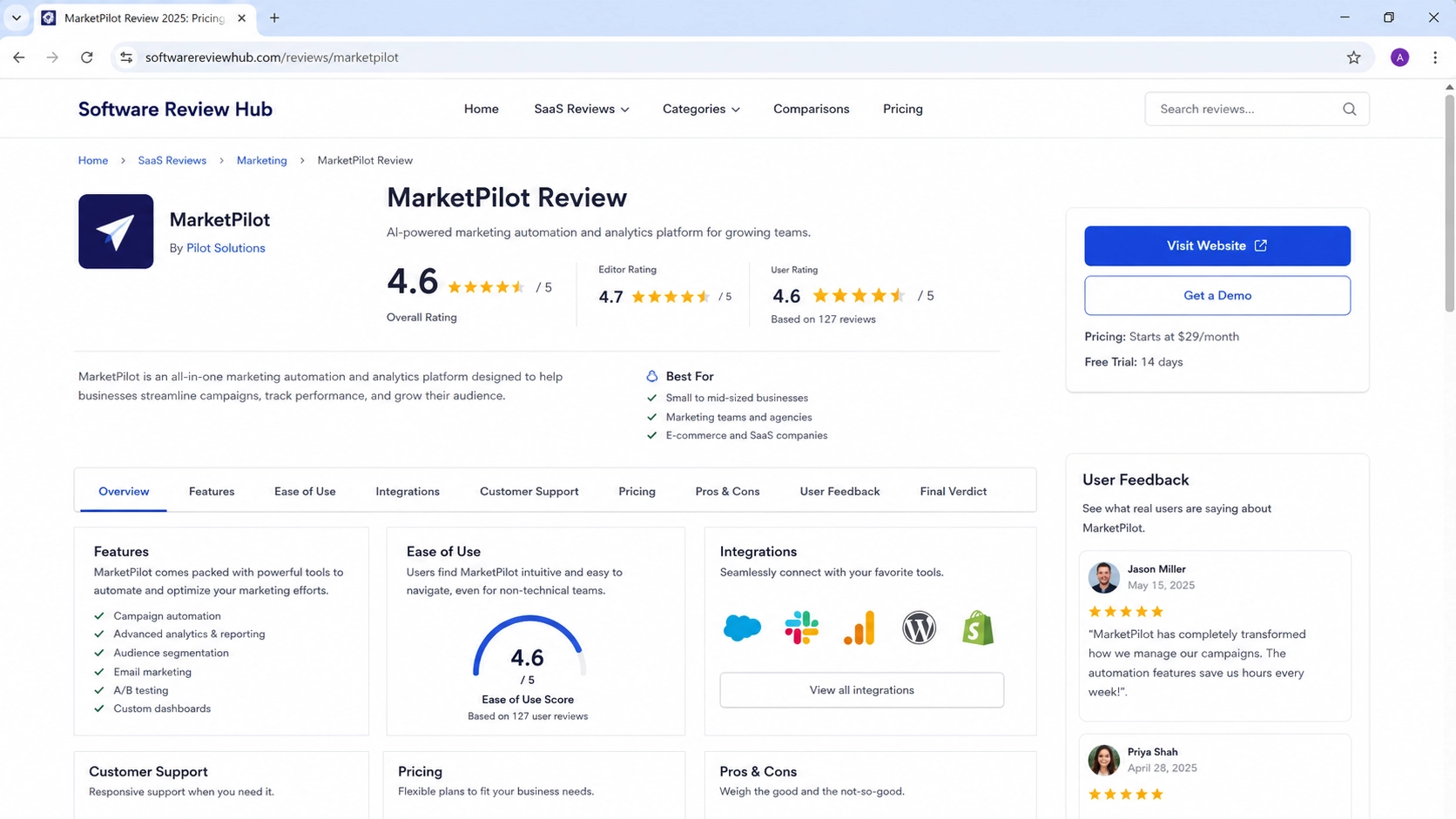
Now focus on the product itself. Review the key features that drive results, not just the longest list on the pricing page. Readers want to know which functions work well, which feel basic, and which support real operational needs.
Comparison becomes more useful when you group features by purpose. That helps readers see whether a tool is enough for simple workflows or whether it offers advanced feature sets for large organizations. You do not need dozens of categories. You need the right ones.
| Feature Area | What to Evaluate in Your Review |
|---|---|
| Core functionality | Does the software perform its main job clearly and reliably? |
| Usability | How easy is it to find and use the most important tools? |
| Scalability | Can it support growing teams or large organizations? |
| Advanced tools | Are advanced feature sets available for complex operational needs? |
| Differentiation | What stands out compared with similar tools? |
This method makes feature comparisons cleaner and easier to follow. It also keeps your review practical instead of turning it into a copied checklist.
Step 4: Assess Ease of Use and User Experience
Features matter, but ease of use often decides whether a team sticks with a tool. That is why user experience deserves its own section. Readers want to know if the product feels intuitive or if it creates extra work.
A clear review should explain the customer experience from setup through regular use. This matters for beginners and even more for teams with complex requirements. A saas coach or consultant might handle complexity better, but many buyers need something they can adopt quickly on their own.
Check points such as:
- How simple the first setup feels
- How easy daily navigation becomes
- Whether learning the tool takes extra effort
When you describe user experience in plain terms, you help readers picture adoption in their own teams. That makes your review more decision-friendly and less abstract.
Step 5: Review Customer Support and Documentation
Support can shape the entire experience, especially after the sale. A review should explain what customer support channels are available and whether the help feels useful. Email, chat, and phone options matter, but speed and clarity matter more.
Documentation deserves attention too. Good guides save time for team members and reduce reliance on live support. If setup instructions, help articles, or onboarding resources are easy to follow, say so. If they are thin or outdated, mention that as well.
This is one detail that separates strong reviews from generic testimonials. Generic praise says a tool is great. A useful review explains whether the development team and support system help users solve real problems. That gives readers a fuller picture of what ownership will actually feel like.
Step 6: Compare Pricing, Value, and Alternatives
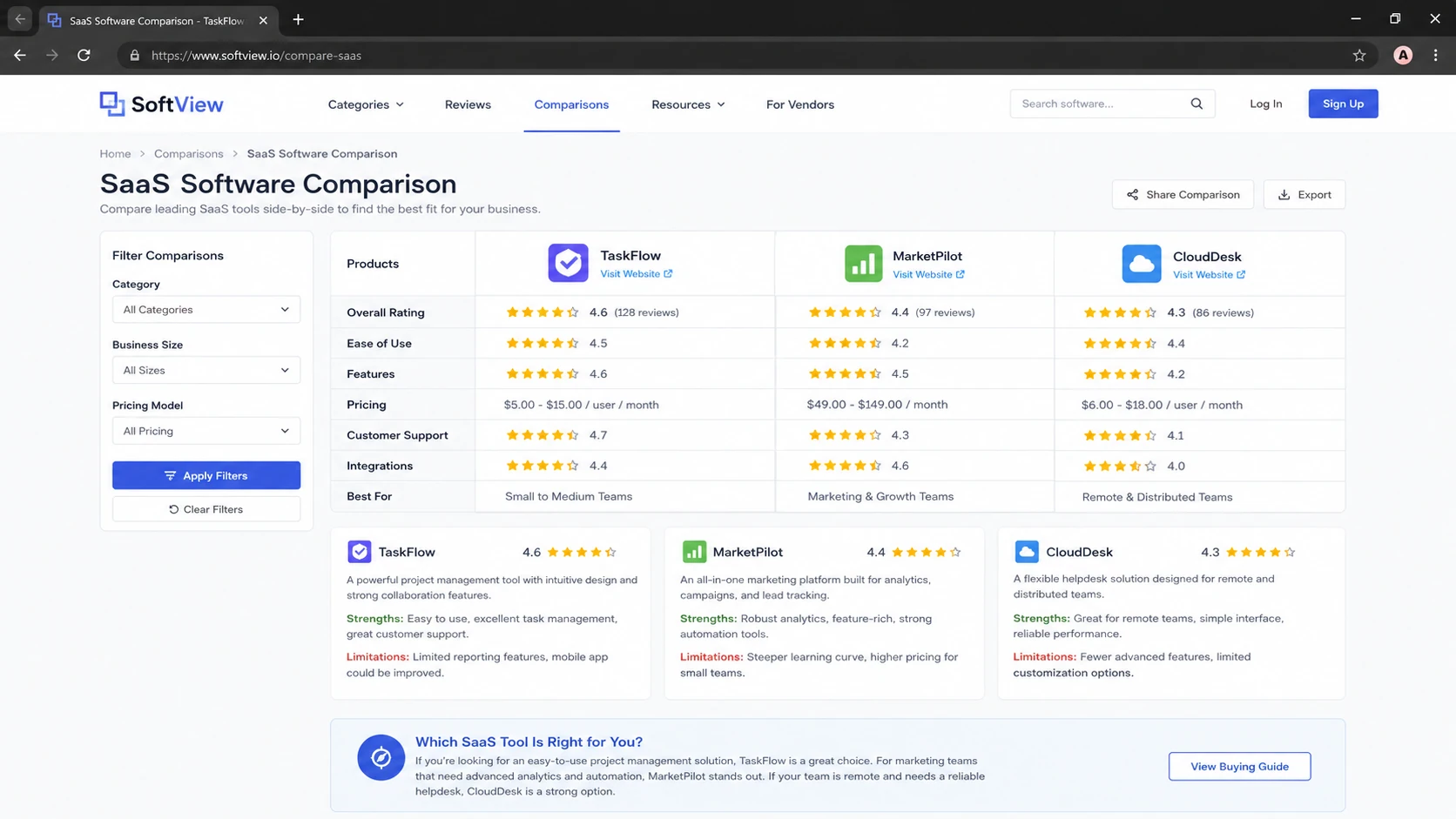
Price only matters in context. A low monthly cost can still be poor value if the tool lacks essential functions. A higher price can make sense if the software saves time or supports bigger teams. Your review should connect pricing to actual value.
Different buyers judge value differently. Smaller companies often face budget constraints, while large enterprises may focus more on scalability and broader capability. That is why it helps to compare alternatives instead of treating price as a standalone number.
In this section, cover:
- What each plan includes and where limits appear
- Whether the value matches the cost for the intended user
- How alternatives compare on fit, not just price
This gives readers a better way to assess trade-offs. They can see what they gain, what they lose, and which option fits their budget and priorities best.
Step 7: Highlight Pros, Cons, and Balanced Opinions
No product is perfect, and readers know that. A strong review lists clear pros and cons instead of leaning too hard in one direction. Balanced opinions show that you noticed both the wins and the weak spots.
This is where many customer reviews fall short. They either sound overly positive or focus only on negative feedback. Your job is to explain impact. A limitation is not always a deal breaker, and a benefit is not always meaningful for every buyer.
A useful pros and cons section should include:
- Pros that affect daily work in a real way
- Cons that could slow adoption or reduce value
- Context for who will care about each point
- A fair final judgment based on the full picture
That balance makes your review more credible. It also helps readers decide whether the trade-offs are acceptable for their own use case.
Structuring Your SaaS Review for Maximum Usefulness
Even strong insights lose value if the review feels messy. Good content creation depends on structure. Readers should be able to scan the review, find the right section, and understand the main takeaways without effort.
A clear layout also helps with search engine visibility when you incorporate relevant keywords naturally. That does not mean writing for algorithms first. It means organizing sections around the questions people ask across different business sizes. The next two parts show how to do that well.
Organizing Information Clearly and Logically
The easiest way to structure a review is to follow the buyer’s thought process. Start with what the product is, then move into use case, features, pricing, support, and final recommendation. That clear structure helps readers stay oriented from start to finish.
This approach also works across a diverse range of categories, from simple tools to larger platforms. When sections are predictable, your review becomes a reliable source of truth for new customers comparing options quickly.
A practical structure often includes:
- Short introduction and target user summary
- Feature and use case breakdown
- Pricing, support, and integration notes
- Pros, cons, and final verdict
When you organize information logically, readers do not need detective work to find what matters. They can scan, compare, and decide faster. That makes the review more useful and more likely to be read all the way through.
Tips for Writing Honest and Balanced Reviews
Trust grows when readers can see that you are being fair. Honest reviews do not ignore flaws, and they do not inflate strengths. They explain both. That is what makes an objective evaluation of the software feel useful instead of promotional.
A balanced review can still support smart marketing strategies. In fact, buyers often trust nuance more than polished praise. Social proof helps, but only when it supports real analysis rather than replacing it.
Use these habits:
- State how you tested the product
- Separate facts from opinion
- Mention limits, not just wins
- Use examples instead of empty claims
- Match conclusions to the evidence you presented
These tips make your writing stronger and more believable. Readers are far more likely to trust a reviewer who sounds careful, specific, and fair.
Common Mistakes to Avoid When Reviewing SaaS Products
Many weak saas reviews fail for the same reasons. They skip context, repeat sales language, or ignore the reader’s real concerns. These common mistakes make even accurate information harder to use.
Whether you are a solo writer or part of a review collector workflow inside saas management, avoiding those errors matters. It protects credibility and makes your review more useful to buyers. The two mistakes below appear often and can weaken a review fast if left unchecked.
Overlooking Important Features or Use Cases
One of the biggest mistakes is focusing only on headline features. Buyers need more than a surface summary. They want to know whether the tool handles important features well and whether those features solve real pain points.
A review also becomes weak when it ignores different use cases. The same software solutions may work well for one team and poorly for another. If you skip that context, readers may assume the product fits everyone, which rarely reflects reality.
To avoid this, connect features to user needs. Explain which tasks the product handles best and where it may fall short. That makes your review more accurate and far more useful. It also answers one of the most common buyer concerns: will this tool actually work for my situation?
Providing Biased or Generic Testimonials
Another common mistake is sounding like an ad. Biased reviews and generic testimonials often rely on praise without proof. They say a tool is amazing, simple, or powerful, but they never show why. That leaves readers with very little to trust.
What stands out is specifics. A strong review explains the customer experience in real terms, including where the tool helped and where it created friction. That feels more believable than brand language aimed at building a loyal customer base.
If you want your review to rise above generic content, be direct and concrete. Mention actual tasks, real limitations, and likely user fit. Readers do not need perfect products. They need clear information. That is what makes a review useful instead of forgettable.
Frequently Asked Questions
How can I make my SaaS review stand out and be trustworthy?
Use real testing, plain language, and an objective evaluation of the software. Pair honest reviews with context about who the tool serves best. Social proof can help, but your analysis should lead. A review that answers real buyer questions will serve the customer base and perform better in search engine results.
Which platforms are best for publishing SaaS reviews in the United States?
Based on the compiled information, review platforms such as Capterra and G2 are strong options in the United States. They are established publishers of these reviews and are widely used in the saas market. You can also publish on your official website, especially if you want visibility for new saas companies.
What topics should I cover for a comprehensive SaaS review?
Cover the software overview, main use case, key features, pricing, integrations, customer support, pros and cons, and final recommendation. Include your product experience and explain who the tool fits best. Tie everything back to reader business goals so your review supports smarter saas management decisions.
How do I encourage customers to write useful SaaS reviews?
Ask for customer reviews that describe specific use cases, results, and challenges rather than one-line praise. As part of your marketing strategies, guide users with simple prompts. A review collector or saas coach can help shape that process. Specific feedback strengthens trust and supports a more loyal customer base.
Conclusion
In summary, writing a useful SaaS review involves a concerted effort to provide valuable insights based on your own experience with the software. By focusing on essential elements like use cases, features, ease of use, and customer support, you can create comprehensive and trustworthy reviews that help potential users make informed decisions. Remember to structure your review logically and avoid common pitfalls such as bias or overlooking critical features. As you sharpen your skills in writing SaaS reviews, you’ll not only contribute to a more informed community but also enhance the credibility of your evaluations. If you’re ready to take your SaaS review writing to the next level, don’t hesitate to reach out for a free consultation!

Harper Wilson
Harper Wilson writes about software review platforms and the importance of customer feedback in today's business decisions. She covers G2, Capterra, Reviews.io, and other top review sites. Her articles look at profiles, ratings, getting reviews, customer feedback, and reputation. Harper also shares how businesses can use reviews to appear more trustworthy, understand what people feel, and boost their online presence. She works to provide clear ideas and useful tips that help businesses keep up with online reviews and use customer feedback more effectively.