Pay After Delivery Trustpilot Reviews: How It Works in 2026
Pay After Delivery Trustpilot Reviews
Pay After Delivery Trustpilot Reviews refers to a payment arrangement where a review-related service claims that customers can pay after the agreed service has been delivered rather than making an upfront payment. This model may reduce the buyer’s initial payment risk, but it is important to understand exactly what is being delivered, how payment is handled, and whether the review-collection method complies with Trustpilot’s policies.
How Pay After Delivery Works
- Agree on the service: The buyer and provider establish the scope, delivery terms, and payment conditions.
- Service delivery: The provider delivers the agreed service before requesting payment.
- Verification: The buyer checks whether the agreed deliverables were completed.
- Payment: Payment is made according to the agreed terms after delivery.
- Policy check: Any Trustpilot review activity should be based on genuine customer experiences and collected through fair, neutral, and unbiased practices.
Key Highlights of Pay After Delivery Trustpilot Reviews (2026)
Pay After Delivery Trustpilot Reviews appeal to business owners because they shift the order of trust. You review what was delivered first, then you pay. That structure feels more aligned with fairness, especially if you have been burned by vague promises before.
Just as important, Trustpilot itself is built on openness, moderation, and equal treatment for reviewers and businesses. So while pay-after-delivery platforms may seem more reliable from a payment standpoint, long-term value still depends on whether the process supports real insights and respects platform integrity.
What “Pay After Delivery” Means for Trustpilot Users
At a basic level, Pay After Delivery Trustpilot Reviews means payment is not made at the start. A business first checks whether the agreed service was completed and whether the output matches expectations. That setup can feel safer because it lowers the chance of paying for nothing.
For Trustpilot users, though, safety is not only about payment timing. Trustpilot’s systems assess reviews through signals such as IP addresses, location data, device characteristics, timestamps, and content behavior. That shows how seriously the platform treats openness and fraud prevention.
So, is pay after delivery a safe payment option according to Trustpilot reviews? It can be safer from a buyer-risk angle because money is held back until delivery. Yet true safety also depends on using methods that align with Trustpilot rules and avoid suspicious patterns that could trigger moderation.
How It Reduces Buyer Risk and Supports Business Integrity
Many businesses choose Pay After Delivery Trustpilot Reviews because buyer risk is the first concern. If a provider asks for full payment before any proof of work, you take on most of the uncertainty. A delivery-first structure balances that better.
This model also supports business integrity when your goal is to evaluate service quality, responsiveness, and consistency before committing funds. That is a fairer approach for companies that want real insights instead of blind trust.
- You keep leverage until delivery is completed.
- You can assess whether the service appears consistent with fairness and openness.
- You reduce the chance of paying upfront for a poor experience.
What do Trustpilot reviewers say about their experiences with pay after delivery services? In general, people respond well to clear service, visible communication, and outcomes that match expectations. That same logic matters for businesses seeking satisfied customers.
The Role of Trustpilot Reviews in Building US Brand Reputation
Trustpilot reviews shape first impressions fast. When buyers compare businesses, they often scan ratings, comments, response quality, and customer service signals before they ever click buy. That makes Trustpilot central to modern reputation management.
For US brands, the platform also offers analytics, response tools, and review invitation features that can help teams learn from public feedback. In that context, Pay After Delivery Trustpilot Reviews stand out because they promise more payment control while businesses try to build trust without exposing themselves to unnecessary financial risk.
Why Verified Trustpilot Reviews Matter for Businesses
Verified reviews matter because they connect feedback to an actual customer interaction. Trustpilot explains that businesses can use automated review invitations and integrated systems to create an end-to-end feedback loop tied to real activity. That gives you stronger evidence that the feedback reflects a genuine experience.
This matters for credibility. Buyers are more likely to trust a profile when they see review invitations used at scale instead of random, unclear activity. Verified reviews also help businesses collect broader feedback rather than hearing only from the loudest unhappy customer.
There is another layer here. Trustpilot applies moderation and fraud detection to invited and organic reviews alike. So verified reviews are important not because they guarantee positivity, but because they support transparency, representative feedback, and a more trustworthy picture of your business.
Comparing Pay After Delivery to Upfront Review Services
If you compare payment structures alone, Pay After Delivery Trustpilot Reviews usually feel more attractive than full prepayment. You see the work first, then decide whether the provider met the agreement. That gives you more control and a stronger sense of fairness.
By contrast, upfront review services ask you to trust promises before anything is delivered. That can create friction, especially when transparency is weak. For businesses focused on openness and better review invitations, the difference is clear.
| Comparison Point | Pay After Delivery | Upfront Payment |
|---|---|---|
| Payment timing | Paid after agreed delivery | Paid before delivery |
| Buyer control | Higher, because you review results first | Lower, because funds are already released |
| Perceived fairness | Stronger for cautious buyers | Weaker for risk-sensitive buyers |
| Trust decision | Based on visible outcome | Based on promises and sales claims |
| Fit with careful reputation planning | Better for businesses that want to verify service steps | Riskier if the provider is unclear |
That said, Trustpilot itself remains an open platform where businesses cannot pay to remove negative feedback or buy a higher score. So payment model alone never replaces compliance.
Understanding the Pay After Delivery Model for Trustpilot Reviews
The Pay After Delivery Trustpilot Reviews model is simple on paper: service first, payment second. For businesses, that can improve transaction security and reduce exposure to empty promises. It also pushes providers to prove delivery instead of leaning on aggressive sales tactics.
Still, reliability depends on how the service operates, how clearly the terms are explained, and whether customer service stays responsive. If you want a safe Trustpilot review service, focus on transparency, platform awareness, and evidence-based delivery rather than just attractive pricing.
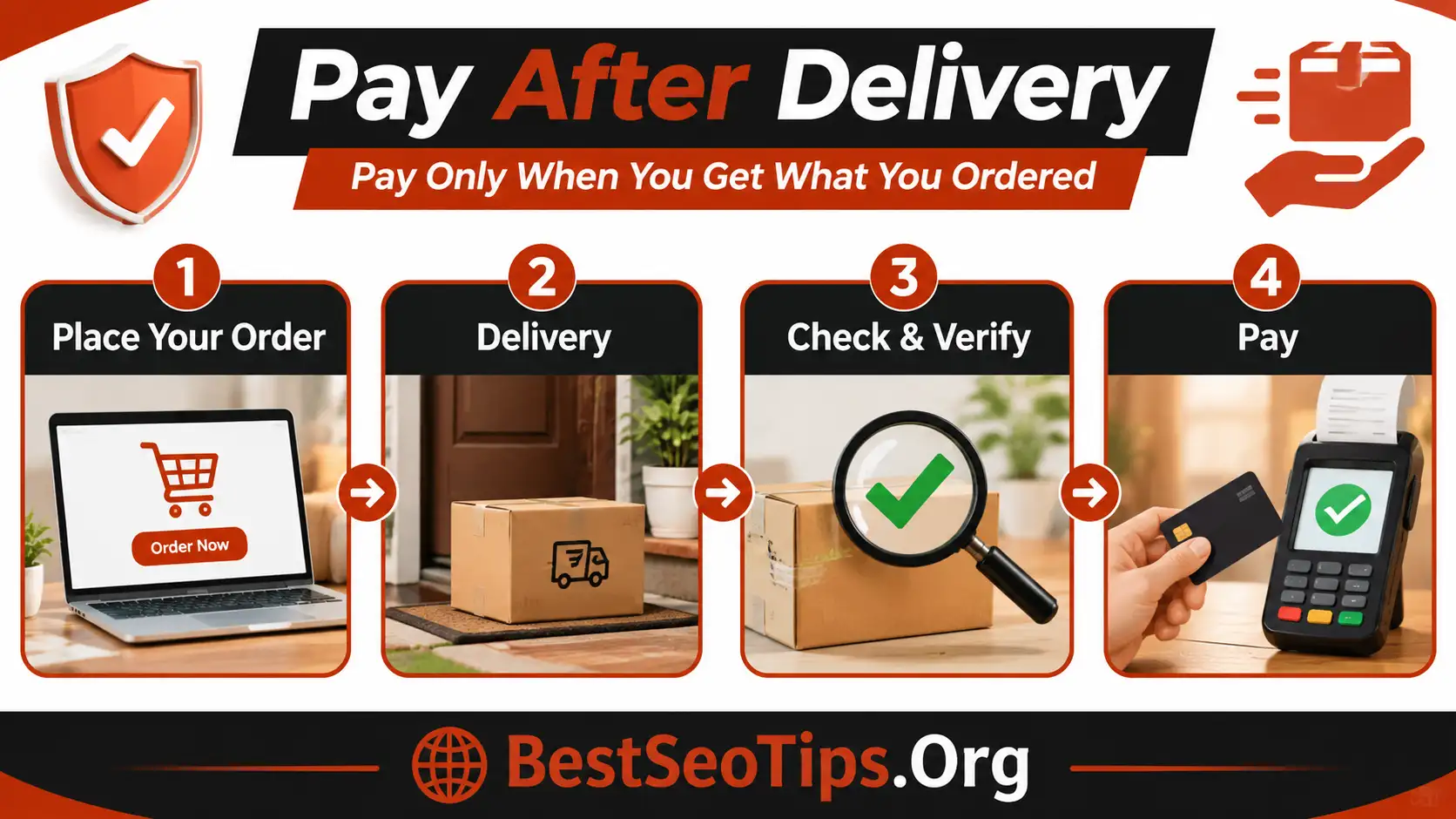
Step-by-Step Process: From Order to Payment
A practical Pay After Delivery Trustpilot Reviews workflow usually starts with a business requesting service terms. At that stage, the provider should explain what will be delivered, how success is measured, and when payment becomes due. Openness matters from the first message.
After that, the business reviews the delivered outcome before releasing funds. This approach improves transaction security because payment follows verification, not sales pressure. It also gives you a chance to judge whether the service appears useful for reputation goals and real insights.
A common sequence looks like this:
- Order details are agreed and service expectations are clarified.
- Delivery is completed and the business checks the result.
- Any questions are handled through customer service communication.
- Payment is made only after the agreed delivery standard is met.
How reliable are pay after delivery platforms based on Trustpilot feedback? They tend to feel more reliable when communication is clear, the process is structured, and analytics or reporting support what was promised.
Ensuring Safe Trustpilot Review Service and Transaction Security
A safe Trustpilot review service starts with respecting how Trustpilot protects its platform. Reviews are screened using automated systems enhanced with AI, and those systems look at behavior, content, IP addresses, device signals, location data, and timestamps. That means low-quality or suspicious activity can create real risk.
The platform also allows businesses and consumers to flag questionable reviews, while specialist teams review complex issues. Trustpilot works to address fake reviews, illegal content, and misuse through technology, community reporting, and human investigation. Those safeguards are a major part of transaction security in a broader sense.
This also connects to regulatory expectations. Trustpilot notes that agencies such as the FTC support principles around representative feedback and avoiding misleading display practices. So are pay after delivery services trustworthy according to user feedback on Trustpilot? They can be, but only when the service avoids manipulation and supports transparent, compliant behavior.
Benefits of Pay After Delivery Trustpilot Reviews for Business Owners
For business owners, the biggest appeal of Pay After Delivery Trustpilot Reviews is simple: less financial exposure at the start. You keep control of payment until service delivery is visible, which can improve customer peace of mind on the buying side of the transaction.
That structure also supports fairness in vendor relationships. Instead of paying first and hoping for results, you can review output before funds are released. For brands focused on reputation management, that added control can feel like a more responsible way to evaluate support tied to trust and satisfied customers.
No Upfront Risk and Non-Drop Guarantee
One of the strongest selling points behind Pay After Delivery Trustpilot Reviews is the removal of upfront payment pressure. If your business has dealt with overpromising providers before, this matters. You do not have to commit cash before seeing whether the service was actually delivered.
Businesses are also drawn to offers framed around a non-drop guarantee. In simple terms, that promise suggests greater stability and a lower chance of immediate loss after delivery. While every provider claim should be checked carefully, the concept appeals because it signals accountability.
A business owner may see these benefits:
- No upfront risk before delivery is reviewed.
- Better fairness between buyer and provider.
- More leverage if customer service becomes slow or unclear.
Even so, moderation still matters. Trustpilot’s systems and policies are designed to protect platform integrity, so any non-drop trustpilot reviews promise should be considered alongside compliance and transparency, not in isolation.
Reputation Management and Customer Peace of Mind
Good reputation management is not just about collecting more reviews. It is about learning from feedback, showing responsiveness, and building visible trust. Trustpilot supports this through public responses, feedback tools, and analytics that help businesses spot patterns across customer interactions.
That is why Pay After Delivery Trustpilot Reviews attract so much interest. They promise customer peace of mind before payment, which can help businesses feel more secure while testing a service. In many cases, the strongest perceived benefit is not speed. It is controlled decision-making.
There is also a strategic angle. Trustpilot’s paid tools are meant to help businesses listen, invite feedback, and improve performance, not buy better scores. So if you want long-term gains, use review activity as a source of operational insight. Better service, stronger trust, and clearer analytics usually create the healthiest outcome.
Frequently Asked Questions
Are pay after delivery Trustpilot reviews trustworthy according to user feedback?
They can be trustworthy from a payment-control standpoint because you verify delivery before paying. Still, trust depends on fairness, openness, and customer service quality. The safest path is one that respects genuine experience standards and uses review invitations in ways that align with Trustpilot’s rules.
What common issues should businesses watch out for as seen in Trustpilot reviews?
Businesses should watch for fake reviews, unclear delivery claims, and any activity that could raise moderation concerns. Trustpilot screens for policy breaches, suspicious behavior, and illegal content. If transaction security matters to you, choose transparent providers and avoid anything that looks misleading or artificially manipulated.
Do users recommend pay after delivery services based on Trustpilot ratings?
Users are more likely to recommend pay-after-delivery services when communication is clear and the process feels fair. Trust grows when results match promises. For businesses, the best value comes from real insights, stronger analytics, and compliant practices that align with representative feedback principles recognized by the FTC.
Conclusion
In conclusion, leveraging Pay After Delivery Trustpilot Reviews is a savvy strategy for business owners looking to enhance their online reputation without the associated risks of upfront payment. This model not only mitigates buyer risk but also guarantees authenticity and quality in reviews, fostering trust among potential customers. By prioritizing transparency and security in reputation management, businesses can build a solid foundation of credibility and customer loyalty. If you’re ready to elevate your brand’s integrity and ensure a reliable review process, consider adopting this innovative approach. For more tailored insights, don’t hesitate to reach out for a free consultation!

Amy Evans
Amy Evans is a digital content writer. She focuses on Trustpilot and how companies can manage what people say about them online. She writes helpful guides on Trustpilot reviews, TrustScore, business profiles, inviting people to write reviews, replying to customer feedback, negative reviews, and Trustpilot's rules. Amy wants to make Trustpilot easy to understand. She helps businesses use what customers say to build trust, improve their online reputation, and grow steadily.