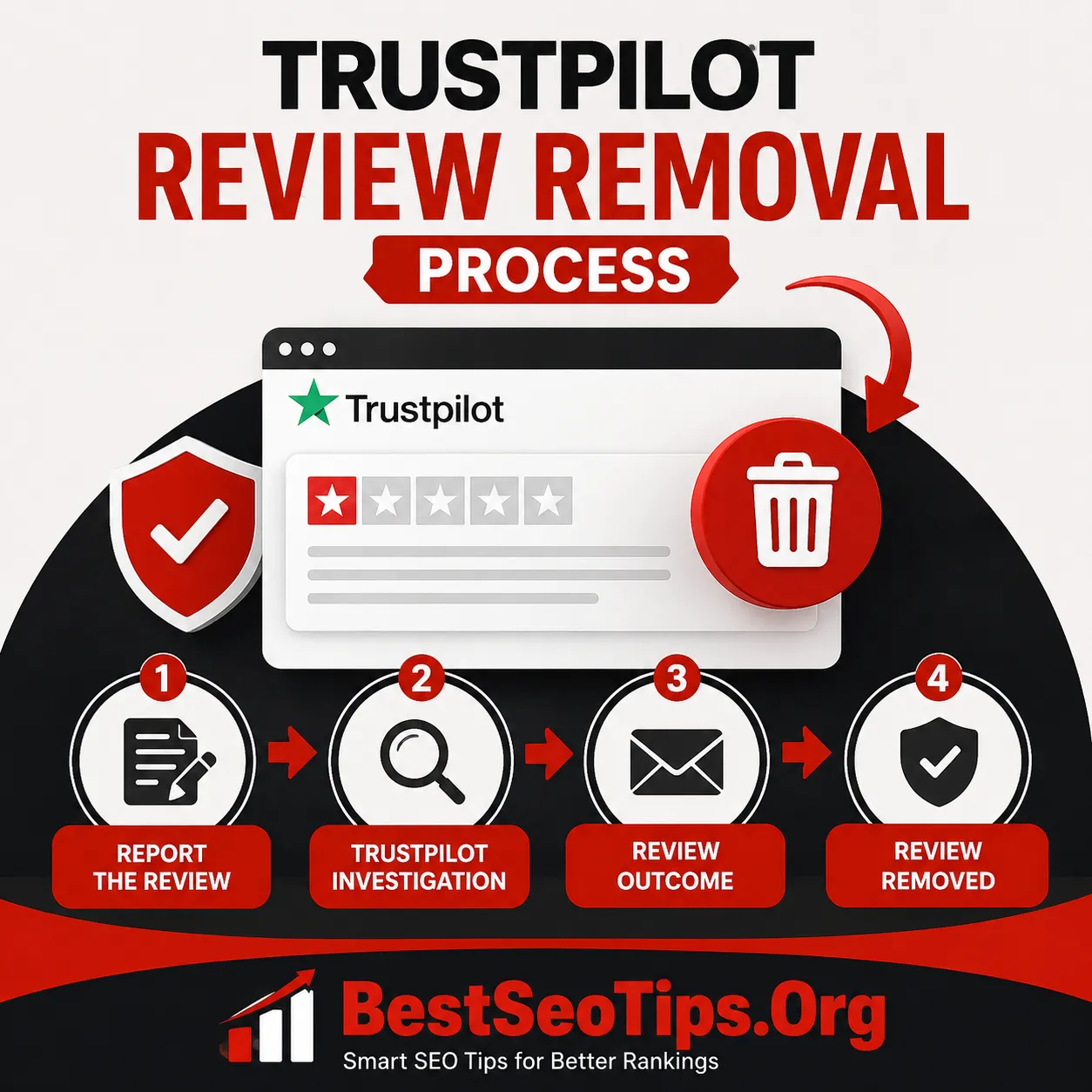
Trustpilot Review Removal Process: How to Remove or Flag a Review
The Trustpilot review removal process allows businesses and consumers to flag reviews that may violate Trustpilot’s guidelines. A business cannot have a review removed simply because it is negative, critical, or unfair in its opinion. If a review appears to be fake, not based on a genuine experience, about the wrong business, or otherwise violates Trustpilot’s rules, it can be flagged for investigation. Trustpilot may review the case using automated detection systems and its Content Integrity team, and may ask the reviewer for additional information or documentation.
How the Trustpilot Review Removal Process Works
- Identify a valid reason: Make sure the review appears to violate a Trustpilot guideline.
- Flag the review: Businesses can flag eligible reviews through their Trustpilot business account.
- Provide relevant information: Explain why the review may violate the guidelines and provide supporting details when appropriate.
- Trustpilot investigates: The review may be assessed using automated detection technology and human review.
- The review may remain online: Trustpilot generally keeps flagged reviews visible while investigating, except for certain harmful or illegal content.
- The reviewer may be contacted: Trustpilot may ask the reviewer to update the review or provide information supporting their experience.
- A decision is made: If a guideline violation is confirmed, Trustpilot may remove the review. Otherwise, the review can remain online.
- Appeal when appropriate: If you believe Trustpilot made the wrong decision, you can follow the appeal process provided in its decision communication.
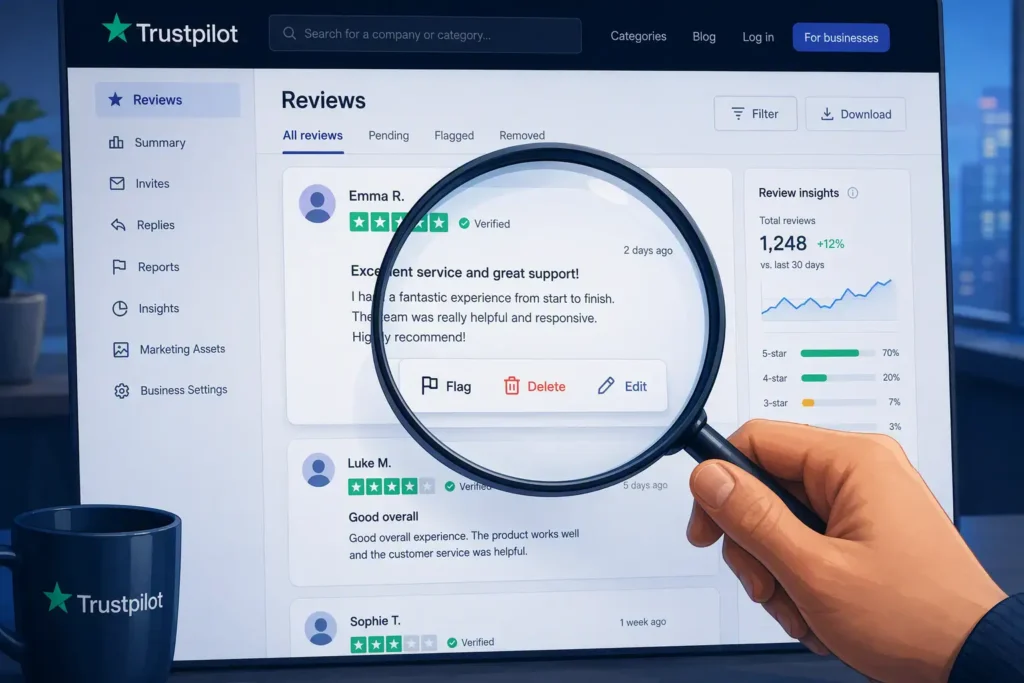
The Trustpilot Review Removal Process
A trustpilot review cannot be permanently removed by a business just because it is negative. For review removal to happen, the content must appear to break Trustpilot rules, and the issue must be raised through your business account. That is the official starting point.
Inside the trustpilot business dashboard, businesses can flag online reviews for assessment. A reviewer, on the other hand, can usually edit or delete their own post. So if you are asking how to remove a review from Trustpilot, the answer depends on who owns the review and whether it violates policy.
Why Are Trustpilot Reviews Sometimes Removed?
Trustpilot reviews are sometimes removed when they break trustpilot guidelines. That can include fake content, harmful language, personal details, or reviews aimed at the wrong business. A review is not removed just because it is harsh or damaging.
In practice, the removal process starts when a business flags the post or when Trustpilot’s systems detect a problem. If the issue points to guideline breaches, the case can be reviewed further. This is how businesses report content they believe should not stay public.
From there, the trustpilot content integrity team looks at the flagged material and any available proof. So yes, Trustpilot reviews can be removed if they violate guidelines. If you want to report and remove a fake review from Trustpilot, you need to flag it under the correct reason and support your claim with clear facts.
Overview of Trustpilot’s Community Guidelines
Trustpilot’s guidelines are the rulebook for what can stay on the platform. They are designed to protect content integrity while still allowing people to share honest experiences, even when those posts are bad reviews. This is why businesses cannot remove criticism just for being uncomfortable.
In simple terms, Trustpilot looks for evidence of a guideline violation before acting. If you want to report and remove a fake review from Trustpilot, you need to match the review to a recognized violation and submit the request carefully.
Common examples under trustpilot’s guidelines include:
- Reviews not based on a genuine experience
- Content with personal information or harmful material
- Posts promoting another business, scam, or spam
- Reviews meant for another business or domain
That framework shapes every decision. Once you know the categories, the next step becomes easier because you can separate a frustrating opinion from content that may truly qualify for removal.
Differences Between Removing, Editing, and Flagging Reviews
These three actions are easy to mix up, but they are not the same. Review removal happens when Trustpilot takes a post down because it appears to break a rule. A business cannot do that on its own from the trustpilot profile.
Editing reviews is usually something the reviewer does. If a person wrote the review, they can often update or delete it through their own account. That is the official process for changing their own words, not for a business changing what was posted.
Flagging reviews is the tool businesses use to start an investigation. You select a reason, point to the problem, and ask Trustpilot to assess it. So if you are a company dealing with a suspicious post, your job is not editing reviews. Your job is flagging reviews properly and giving Trustpilot a reason to consider review removal.
Common Reasons a Trustpilot Review Can Be Removed
A trustpilot review is usually removed only when it meets specific removal criteria. Trustpilot focuses on guideline breaches, not on whether a business feels the review is unfair. That distinction is important because many negative posts stay online even when they upset the company involved.
The platform’s aim is to protect content integrity across public reviews. In general, removal criteria center on fake activity, personal information, harmful material, promotional content, or reviews tied to the wrong business. The next sections break down the most common reasons in a practical way.
Breach of Trustpilot Content Guidelines
A clear breach of trustpilot guidelines is one of the strongest reasons for removal. If flagged content falls into a prohibited category, Trustpilot may investigate and decide the post should not remain visible. The key is showing that the issue is more than a disagreement about service.
The content integrity team looks for whether the review reflects a genuine experience and whether its wording fits platform rules. When the answer is no, removal becomes possible. Yes, reviews can be removed if they violate guidelines, but the category must be specific.
Examples of violations include:
- A review that shares private contact details
- A post with threats, violent language, or extreme obscenity
- Promotional content, spam, rumors, or scam material
- A review obviously meant for another company
That is why businesses should read the rule category closely before flagging. A broad complaint rarely works. A targeted claim tied to a policy issue gives Trustpilot something concrete to assess.
Fake or Inauthentic Reviews
Fake trustpilot reviews are a major concern because they can damage trust fast. Trustpilot says fake reviews are not allowed and uses fraud detection tools to screen content before it goes live. Even so, some phony reviews still slip through.
If you suspect that happened, start with a flagged review inside your business tools. Choose the reason that best fits, such as not based on a genuine experience or conflict of interest. Trustpilot may then ask the reviewer for proof tied to the claimed interaction.
Your report is stronger when you can show there is no matching order, appointment, or record in the stated time frame. That is how to report and remove a fake review from Trustpilot in a practical sense. You flag it, give a specific reason, and back it with objective proof instead of assumptions.
Personal Information or Offensive Content
Some reviews are flagged because they expose personal information or include harmful content. This can trigger review removal if the material clearly breaks platform rules. Trustpilot’s moderation team will usually want the exact wording or details highlighted so the issue can be checked quickly.
Typical examples include:
- Names, email addresses, phone numbers, photos, or videos that should not be public
- Threats, hateful attacks, obscenity, or other harmful content
If Trustpilot refuses to remove a fake review that also contains one of these issues, do not stop at a general complaint. Re-submit with the exact text, better documentation, and a clearer reason. If the review still stays online, focus on a calm public reply and broader review management steps to protect your reputation.
Step-by-Step Guide to Flagging a Trustpilot Review
If you want Trustpilot to assess a suspicious post, the process begins on the trustpilot platform with a flagged review. You need access to your business profile and a clear understanding of which rule may apply. Guessing can slow things down.
Most businesses follow a simple path: log in, locate the review, click the flag icon, choose the right reason, and submit the request. After that, Trustpilot reviews the case. The next three sections walk through each part so you know exactly what to expect.
Logging Into Trustpilot as a Business or Consumer
Start by entering the trustpilot business dashboard if you are a business owner trying to challenge a review. You need a business account to access management features. If your company has not claimed its listing, set that up first.
For businesses and consumers, account ownership matters because rights are different. A consumer can usually edit or delete a review they wrote. A company cannot do that. Instead, the business uses tools meant for reporting and follow-up.
Your setup may look like this:
- Business owner: claim the profile and create a free account if needed
- Existing business user: sign in to the business account and open review tools
- Consumer reviewer: sign in to your personal account to edit or delete your own review
That difference answers a common question right away. If you want to report and remove a fake review from Trustpilot as a company, you must work through the business side, not the consumer side.
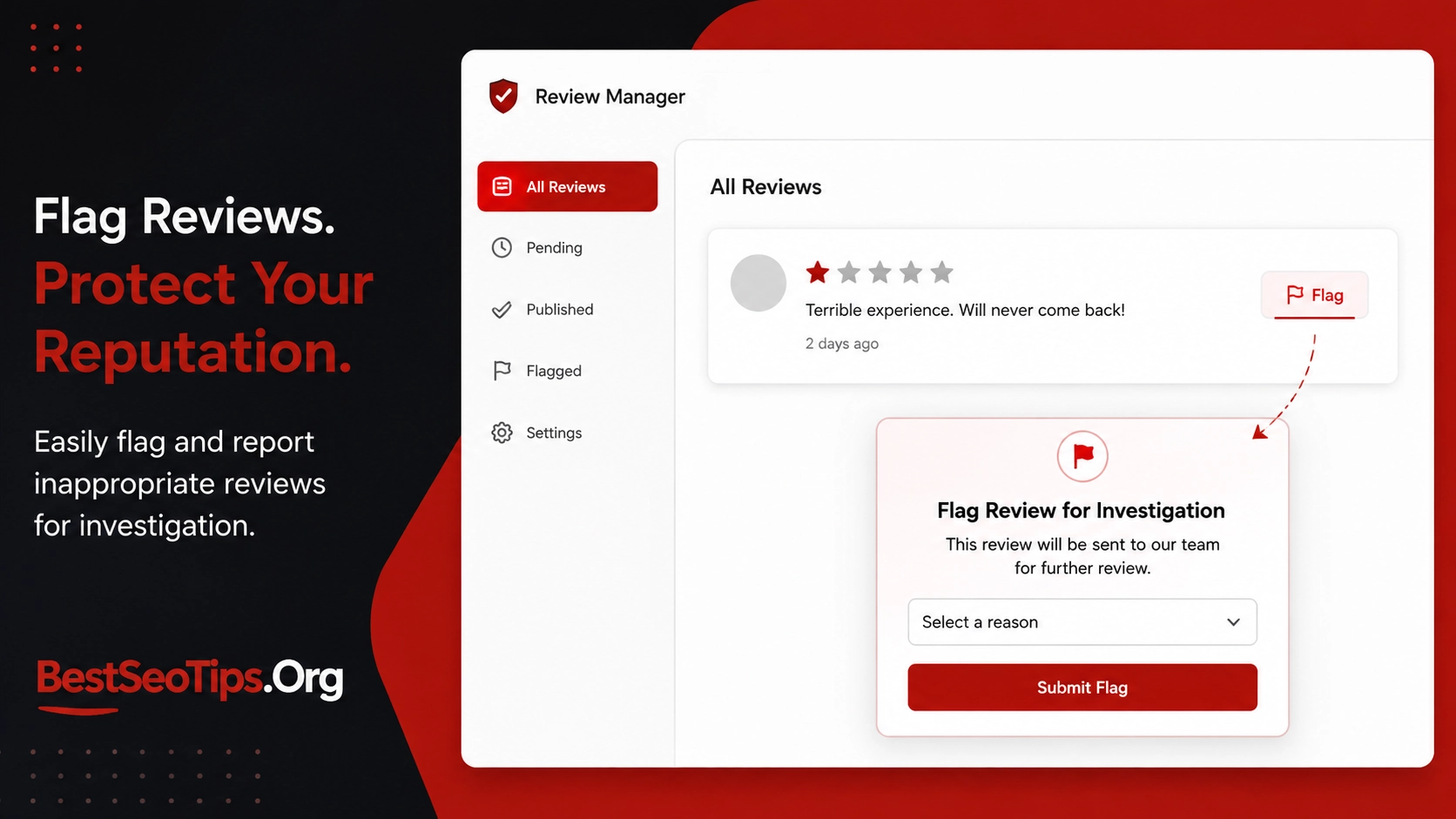
Locating the Review You Want to Flag
Once you are signed in, go to your business profile and find the review in your review management area. Trustpilot directs businesses to Manage Reviews and then Service Reviews. If you are checking recent posts, the Inbox view can help with newer items that still need attention.
This step matters more than it seems. You need the correct review, the right time frame, and enough context to understand what category may apply. A rushed search can lead to the wrong flagging reason or a weak submission.
If the reviewer is unclear, the platform may offer tools that help identify them by requesting more details such as order numbers or email information. That can be useful when you are trying to report and remove a fake review from Trustpilot but do not yet have enough to verify whether the person had a real interaction with your company.
How to Use the ‘Flag’ Button and Submit a Flagging Request
When you find the post, click the flag icon on or above the review. This opens the menu for a flagged review and asks you to choose a reason based on trustpilot guidelines. Pick the closest match and avoid broad wording.
Common reasons include:
- Not based on a genuine experience
- Personal information or harmful content
- About another business or another domain
After choosing the category, confirm the request and highlight the exact problem area. This is where many businesses weaken their case by being vague. If you want to report and remove a fake review from Trustpilot, be precise. Also remember that repeated misuse of flagging can create issues for your account, so use the process carefully. If a review is later removed, the business’s trustscore may be recalculated using the remaining reviews.
What Happens After You Flag a Review on Trustpilot?
After a flagged review is submitted, the removal process moves out of your hands and into Trustpilot’s system. The review often stays visible during this stage, which can be frustrating when you are worried about business reputation. Still, that is normal.
Trustpilot’s moderation team checks the reason for the flag, may review platform signals, and can ask for more proof from the reviewer or the business. The next sections explain the first assessment, the updates you may receive, and the timeframes you should realistically expect.
Trustpilot’s Initial Assessment of the Flagged Review
The first stage is usually an internal check. Trustpilot’s moderation team looks at the flagged review, the reason you selected, and the wording in the post itself. This helps them decide whether the case appears straightforward or whether it needs deeper review management steps.
In some cases, the internal team may compare the content against policy categories right away. In others, they may ask the reviewer to prove they had a genuine interaction with your business. That request can slow the process, but it is a normal part of the system.
How long does it usually take for Trustpilot to remove a flagged review? There is no fixed promise. Some cases move in a few business days, while others take much longer if Trustpilot needs more information, especially in disputes involving identity, transaction history, or unclear facts.
Communication and Status Updates From Trustpilot
Once your request is in, keep an eye on your trustpilot business dashboard and business profile. Status updates may appear there before you receive a separate message. In some situations, you may simply notice the review has changed or disappeared.
The pace of updates depends on the case. If Trustpilot needs reviewer input or more documentation, communication may take longer. That is why it helps to monitor the case regularly instead of assuming silence means nothing is happening.
If you are wondering how long it takes for Trustpilot to review a flagged case, the honest answer is that timing varies. The next step may be a request for additional proof, a notice that the review stays up, or confirmation that it has been removed. Staying organized makes it easier to respond quickly.
Timelines for the Review Investigation Process
No fixed timeline applies to every review investigation. Some issues are resolved in a few business days, while others take several weeks. Much depends on whether the case is simple, whether the reviewer responds, and whether trustpilot’s content integrity team needs additional information.
A practical way to think about the timeline is this:
| Stage | Typical timeline |
|---|---|
| Initial flag submission | Same day you submit the request |
| Early assessment | Often within a few business days |
| Request for reviewer proof or additional information | Can extend the case by days or weeks |
| Final decision by trustpilot’s content integrity team | Varies based on complexity |
That means there is no guaranteed deadline for removal. If you are asking how long it usually takes for Trustpilot to remove a flagged review, the best answer is that simple cases can move quickly, but anything disputed may take much longer than expected.
Evidence and Documentation Required by Trustpilot
Trustpilot does not remove reviews based on a hunch. It looks for evidence of a guideline violation, and that means specific evidence tied to the category you selected. General complaints such as “this review feels fake” usually are not enough on their own.
Objective proof matters most. Transaction records, screenshots, quoted language, or other additional evidence can strengthen your case. If the first request fails, stronger documentation may support an appeal. The next sections explain what Trustpilot commonly asks for and how to present it clearly.
Types of Proof Typically Requested
Trustpilot usually asks for objective proof that matches the issue you raised. The platform does not want opinion alone. It wants records, quoted text, and other additional evidence that helps verify whether the review truly breaks a rule.
Useful examples often include:
- Transaction logs, appointment records, or CRM screenshots
- Order numbers or related account details showing no matching customer
- Employment records if the reviewer may be an insider or competitor
- The exact words, website link, or content section that appears to violate policy
This is an important part of how you report and remove a fake review from Trustpilot. If you claim the reviewer never interacted with your company, show that no record exists in the stated period. If you claim harmful content, point to the exact passage. Precision makes the report easier for Trustpilot to evaluate.
How to Prepare and Submit Your Evidence Effectively
Good preparation starts with organization. Before you submit anything through your business account, gather the review text, the reason for your flag, and the records that support your claim. Put them in a simple order so the issue is easy to follow.
Then submit only what connects directly to the violation. If Trustpilot asks for additional information, answer clearly and avoid emotional arguments. This keeps your trustpilot review removal request focused on facts rather than frustration. If you are working through a contact form or dashboard prompt, use short explanations and attach the strongest proof first.
Can you permanently remove a review from Trustpilot this way? Only if Trustpilot decides the review breaks its rules or if the reviewer deletes it. Businesses cannot guarantee permanent removal on their own. What you can do is build the strongest possible case.
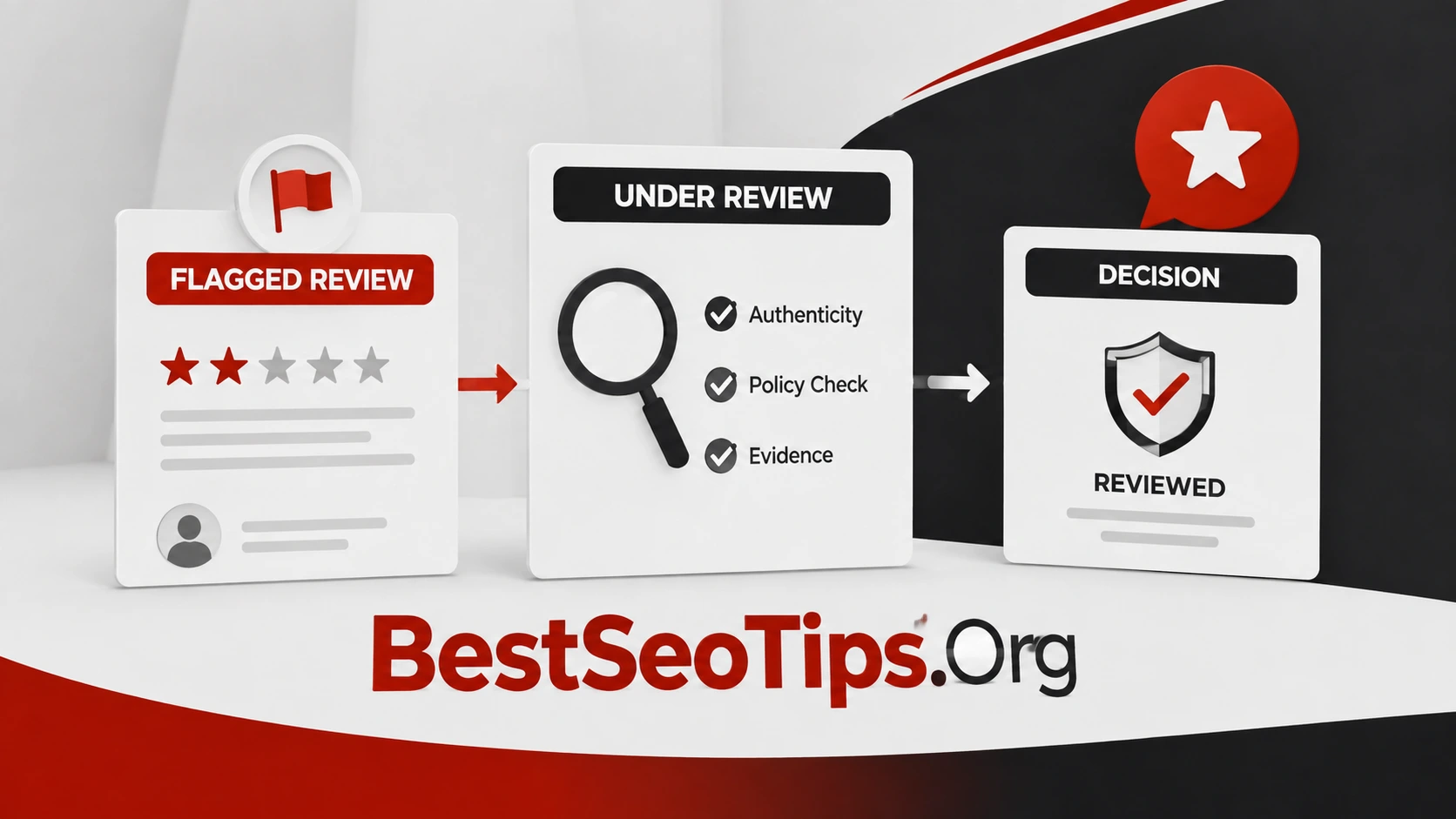
How Trustpilot Investigates Reported Reviews
When a trustpilot review is reported, Trustpilot’s moderation team reviews the claim using both platform signals and the information connected to the flag. The investigation process is designed to check whether the content fits a removal category, not whether the business agrees with the opinion.
This matters for review cache and brand protection. A flagged post may remain visible while the case is reviewed, which is why businesses often need a broader plan alongside the report. Next, we will look at how automated tools and manual review work together and what outcomes can follow.
Manual Review vs. Automated Systems
Trustpilot uses automated systems to screen reviews before and after they appear on the trustpilot platform. These tools support fraud detection by looking for patterns that may suggest manipulation, fake behavior, or policy issues. They help at scale, but they do not catch everything.
That is why manual review still matters. When a business reports a suspicious post, human reviewers may step in to assess the wording, the flagging reason, and any submitted proof. This is especially important in borderline cases where context matters.
In simple terms:
- Automated systems scan for patterns and suspicious signals
- Manual review checks nuance, evidence, and policy fit
- Both can play a role in deciding whether content stays or goes
So when you report and remove a fake review from Trustpilot, you are often entering a process that combines technology with human judgment rather than relying on one method alone.
Possible Outcomes After Investigation
Once the investigation ends, several outcomes are possible. The most obvious is review removal if Trustpilot decides the post breaks platform rules. In other cases, the review may stay live because the evidence did not meet the standard or the reviewer supported their claim.
Sometimes the result is less dramatic but still important. A reviewer may edit or delete the post themselves, or Trustpilot may ask for changes tied to the issue raised. If the post remains, your business may need to focus on responding well and generating more feedback from happy customers.
Can deleted reviews ever be restored? In some situations, yes, especially if a decision changes after further review or account-related issues are resolved. That is why businesses should not assume every removal on the trustpilot platform is automatically final in every possible circumstance.
What to Do if a Trustpilot Review Is Not Removed
If review removal does not happen, you still have options. A denied request is frustrating, but it does not mean you are out of moves. You can reassess the evidence, consider an appeal, and protect your online reputation through smart communication.
Just as important, think beyond the single review. A strong public response, steady review generation, and better visibility from positive feedback can reduce the impact on your business’s trustscore over time. The next sections cover appeals, responses, and what restored or deleted reviews may mean.
Appeal and Escalation Options for Businesses
If your first request fails, the next move is usually an appeal with stronger proof. A business owner should not just repeat the same claim. Trustpilot review removal decisions depend on evidence, so your second try needs to add something more useful than the first.
Helpful steps may include:
- Re-flagging with clearer records or missing documents
- Pointing to exact policy language or quoted review text
- Showing a transaction gap, employment tie, or other objective conflict
Escalation does not guarantee success, but it gives Trustpilot’s review team a more complete picture. If you are asking what to do when your request for removal is denied, start by tightening the case. If you believe the review is part of a broader pattern of manipulation, document that pattern carefully before submitting anything further.
When and How to Respond Publicly to Reviews
Sometimes the best move is not more arguing with the platform. It is a measured public response. If Trustpilot refuses to remove a fake review, answer in a way that protects your online reputation and shows readers that your business takes concerns seriously.
Keep the reply polite, short, and professional. Thank the person, acknowledge the issue, and invite them to continue the conversation privately if appropriate. Do not accuse, mock, or fight in public. That usually hurts more than it helps, especially with negative trustpilot reviews that already draw attention.
A calm response can soften the damage and reassure future customers who are reading. It may not erase the review, but it can support the business’s trustscore over time by showing maturity and good service habits. Then keep building genuine positive feedback from real customers.
Can Deleted Reviews Ever Be Restored?
Yes, in some cases a trustpilot review that was removed or taken down may be restored later. That can happen if a reviewer regains access, edits the content, or if a later review of the case leads to a different outcome. So deleted reviews are not always gone forever.
For businesses, that means you should keep records of what was posted and why it mattered. A saved review cache, screenshots, and internal notes can help if the content returns or if you need to explain the issue during a later dispute. This is especially useful in ongoing reputation work.
If you are focused on net reputation, treat every removal as helpful but not always permanent. Continue monitoring your profile, responding professionally, and building stronger review support from real customers. That way, even if deleted reviews reappear, they have less power over your overall brand image.
Frequently Asked Questions
Can businesses pay Trustpilot to remove negative reviews?
No. A trustpilot business cannot pay Trustpilot to remove a negative review. Removal decisions are tied to trustpilot guidelines, not payment. If a flagged review breaks policy, it may come down. If not, it usually stays live, and the business’s trustscore continues to reflect the remaining review base.
How long does it take for Trustpilot to review a flagged case?
A flagged review may be assessed within a few business days, but there is no guaranteed deadline. The review investigation can take longer if Trustpilot’s moderation team needs additional information from the reviewer or the business. Simple cases move faster than disputed or complex ones.
What should I do if my request for removal is denied?
If review removal is denied, consider an appeal or escalation with stronger proof. If you still cannot get the post removed, protect your online reputation with a calm public response and ongoing customer review efforts. Better evidence and consistent professionalism are usually your strongest next steps.
Conclusion
In summary, navigating the Trustpilot review removal process can feel overwhelming, but understanding the steps involved can make it much simpler. From recognizing when a review is eligible for removal to effectively flagging and documenting your case, each part plays a crucial role in maintaining your business’s reputation. Remember, it’s not just about removing negative feedback but also knowing how to respond appropriately to maintain transparency with your customers. By following these guidelines and being proactive in managing your online presence, you can foster a positive image that resonates with potential clients. If you need personalized assistance in handling your reviews, don’t hesitate to reach out for support!

Amy Evans
Amy Evans is a digital content writer. She focuses on Trustpilot and how companies can manage what people say about them online. She writes helpful guides on Trustpilot reviews, TrustScore, business profiles, inviting people to write reviews, replying to customer feedback, negative reviews, and Trustpilot's rules. Amy wants to make Trustpilot easy to understand. She helps businesses use what customers say to build trust, improve their online reputation, and grow steadily.