How to Build a 5-Star Trustpilot Reputation in 2026
How to Build a 5-Star Trustpilot Reputation
Your online reputation is often your first sales conversation. Before people buy, book, or even ask a question, they check what others say. That makes every trustpilot review more important in 2026, especially for digital services and online businesses competing in a crowded market. If you want more trust, better search visibility, and stronger customer confidence, you need a plan. This guide shows you how to build a five-star presence through real customer experience, not shortcuts.
Understanding the Value of a 5-Star Trustpilot Reputation in 2026
A five-star profile does more than look impressive. It acts as social proof that helps people feel safer choosing you. In a noisy market, that quick signal can shape customer trust before a visitor reads a single product page.
Just as important, your online reputation grows when satisfied customers leave recent, honest feedback. The most effective strategies in 2026 are simple: deliver better service, ask consistently, and respond well. To see why that works, start with what a five-star reputation really represents.
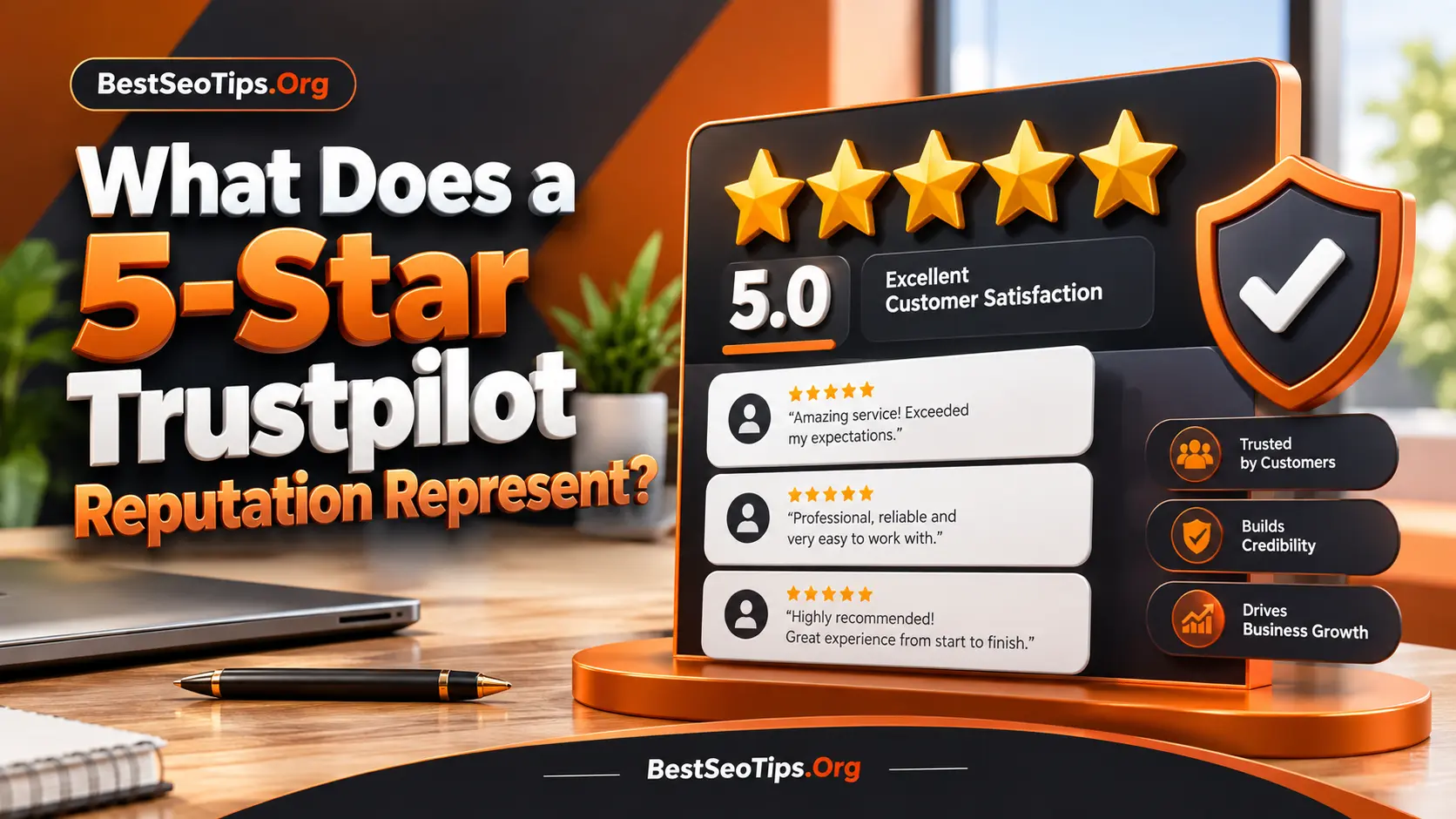
What Does a 5-Star Trustpilot Reputation Represent?
A five-star reputation represents more than a high number beside your brand name. It shows that your Trustpilot profile reflects strong and recent customer experiences. When people scan online reviews, they want fast signals. Star ratings give them that shortcut.
At the same time, buyers are not just looking at just stars. They also notice review volume, review freshness, and whether your feedback feels believable. A business with steady positive experiences often looks more dependable than one with only a few glowing comments from last year.
That is why a five-star presence stands for consistency, trust, and responsiveness. In 2026, TrustScore and star ratings work as public proof that your business listens, delivers, and keeps improving. If your profile shows active engagement and authentic feedback, it tells future customers they can expect a reliable experience.
Why Trustpilot Reviews Matter for Businesses in the United States
In the United States, a Trustpilot review can influence a sale long before a customer reaches your site. Many potential buyers read online feedback first, which means your review platform presence becomes part of your digital first impression.
There is another reason these reviews matter. Trustpilot is highly visible, open, and trusted by many users, so it adds strong social proof for both B2C and B2B brands. That helps businesses look credible faster, especially when competitors already have active profiles and visible ratings.
For newer companies, this matters even more. A complete profile with clear contact details, a website link, and steady review requests can create early momentum. When your online reputation starts with transparency and consistent customer feedback, you give people fewer reasons to hesitate and more reasons to trust.
The Impact of Trustpilot on Customer Trust and Sales
Trustpilot can influence both customer trust and revenue because reviews shape first impressions. When shoppers see strong ratings in search results, they are more likely to click, compare, and consider your business seriously. That early confidence matters.
Once visitors reach your site, visible customer feedback can reduce doubt and support buying decisions. A healthy review page reassures people that others had good experiences. Over time, this builds customer loyalty too, because returning buyers feel they chose a business with proven reliability.
If you want to increase your rating this year, focus on the basics that move sales and trust together: improve the customer experience, collect reviews consistently, and answer every review professionally. Those habits help your rating look stronger while also making your business better for future customers.
How Trustpilot’s Ratings and TrustScore Work in 2026
Many business owners assume their Trustpilot review page works like a simple average. It does not. Trustpilot uses a weighted system, so star ratings alone do not tell the full story. Recency, review patterns, and review quality all shape the final picture.
That matters because both people and search engines notice these signals. A stronger TrustScore can support better visibility and better click-through behavior. Before you try to improve your score, it helps to understand the difference between ratings, TrustScore, and the factors behind them.
The Difference Between Star Ratings and TrustScore
Star ratings are the visual summary people see first on a review page. They offer a quick snapshot of customer opinion. Online businesses benefit from this because buyers often make fast judgments from those visible signals.
TrustScore goes deeper. It is not only about the average rating. It reflects a weighted calculation that considers recent activity and review patterns over time. That means a business cannot rely on old praise forever.
Here is a simple text table that shows the difference:
| Element | What it shows | Why it matters |
|---|---|---|
| Star ratings | The visible rating customers notice first | Helps create an instant impression |
| TrustScore | A weighted measure based on more than the visible stars | Gives a fuller view of review health |
| Review recency | How recent the feedback is | Newer reviews carry stronger influence |
| Review patterns | Distribution and consistency over time | Prevents old or uneven feedback from dominating |
Factors That Influence Your Trustpilot Score
If you want to improve your score without crossing any lines, start with the key factors that actually influence it. Trustpilot favors active, believable review behavior, not random spikes. That is why consistency matters so much.
A healthy score usually grows when satisfied customers leave recent feedback through a simple, easy path. You do not need tricks. You need a steady system for collecting honest reviews and making it easy for people to respond.
Key factors include:
- Recent feedback has more impact than old reviews.
- Verified reviews often carry more weight than unprompted ones.
- A clear review link helps more customers complete the process.
- Consistent review flow looks stronger than one-time campaigns.
- Honest reviews from real customers support a more reliable profile.
Common Pitfalls That Lower Trustpilot Ratings
Sometimes ratings fall not because a business is terrible, but because its review habits are weak. Gaps in review collection, ignored complaints, or sudden review swings can make a profile look less trustworthy. One poor review can hurt more when the profile is quiet.
Another problem comes from trying to force better results. Fake reviews, review gating, or misuse of reporting tools can damage trust fast. Even if the intention is to protect your rating, the long-term result is often worse.
Watch out for these common pitfalls:
- Ignoring negative reviews instead of addressing them
- Letting long gaps appear between new reviews
- Using fake reviews or suspicious review tactics
- Responding defensively to negative feedback
- Asking only during limited campaigns, then going silent
What You Need to Start Building Your Trustpilot Reputation
If you are starting from scratch, the goal is not to look perfect overnight. It is to build a complete Trustpilot profile and a repeatable review collection strategy that supports real growth. That gives you a practical foundation.
New businesses move faster when they use the right tools and keep the process simple for customers. A verified profile, clear business details, and easy review access can create an early quick win. From there, your setup, tools, and guidelines shape how well your reputation grows.
Setting Up Your Trustpilot Business Profile
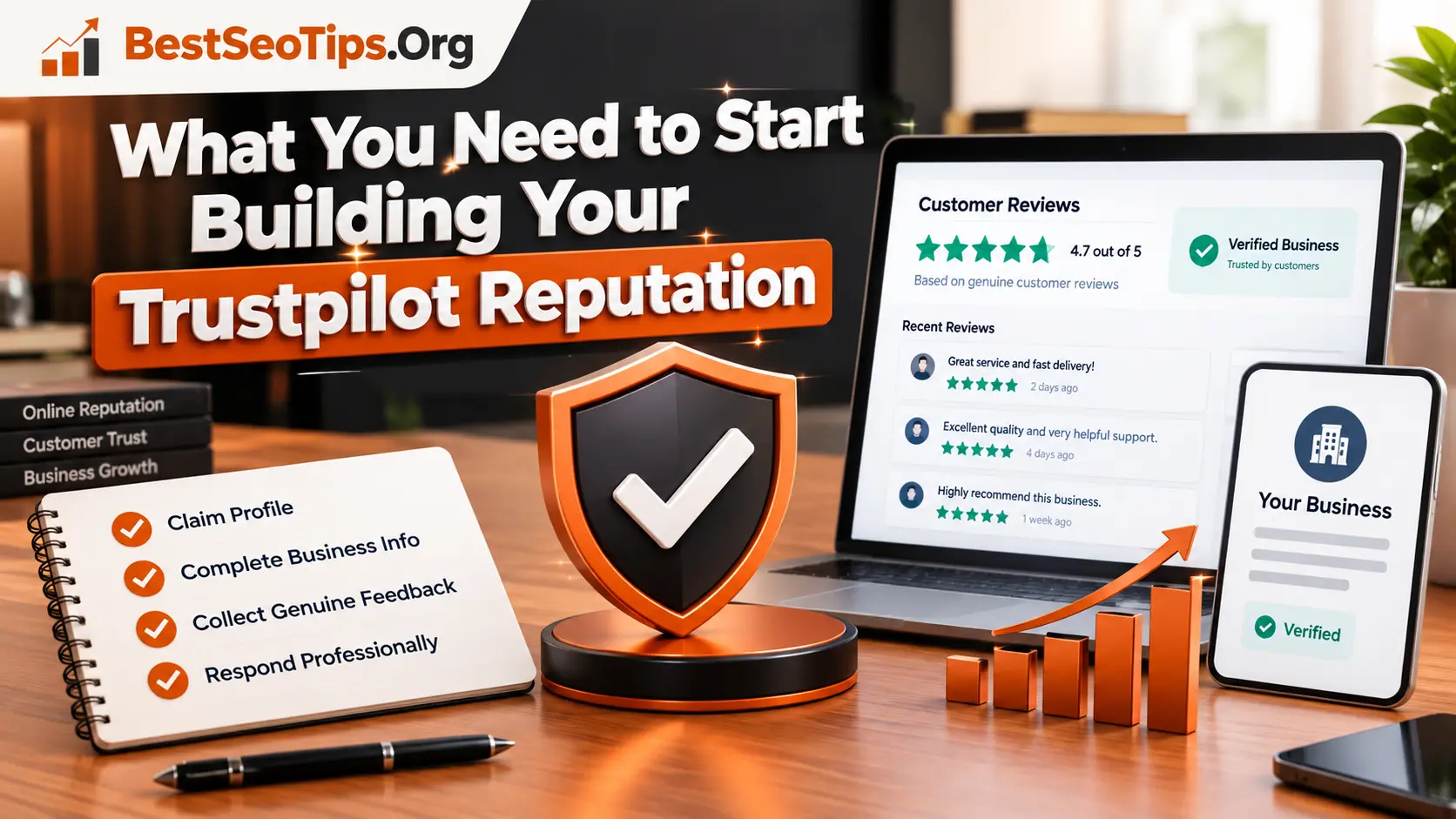
The first step is making your Trustpilot profile look complete and trustworthy. People checking your business want confidence, not missing details. A clean setup can become a quick win for your online reputation because it signals legitimacy right away.
Do not overcomplicate this part. Your goal is to make the profile clear, current, and professional. When future customers land on it, they should instantly understand who you are and how to reach you.
Focus on these basics:
- Verify and claim your Trustpilot profile
- Add accurate contact details
- Include your website link
- Upload your logo and business description
- Make sure all information stays updated
A finished profile will not create reviews by itself, but it removes doubt. It also makes every review request more effective because customers feel they are reviewing a real, transparent business.
Essential Tools and Resources for Collecting Reviews
Once your profile is ready, you need tools that reduce effort for the customer. The easier it is to leave feedback, the more likely people are to act in the right moment. Friction is the enemy of review collection.
A smart setup uses simple paths that match where customers already interact with you. Think email, support follow-ups, product delivery messages, and your website. The goal is to create review prompts that feel natural, not pushy.
Useful tools and resources include:
- A direct review link in email and SMS
- A live Trustpilot widget on key pages
- A QR code for in-store or offline requests
- Review prompts on thank-you or support pages
- A dedicated review landing website page
These tools help you collect more reviews from real customers without making the process feel complicated or forced.
Understanding Trustpilot’s Guidelines and Best Practices
Before you scale up requests, understand the rules. A strong online reputation comes from transparent behavior, not shortcuts. If your review strategy feels manipulative, it can hurt trust even if your rating looks better for a short time.
The safest path is simple: ask everyone fairly, welcome all feedback, and avoid any tactic that filters out unhappy customers. Trustpilot is built around authenticity, so honest reviews are the standard you want.
Best practices include:
- Request a Trustpilot review from real customers only
- Never use fake reviews
- Do not reward only positive feedback
- Avoid blocking or hiding unhappy reviewers
- Flag reviews only when they clearly break guidelines
When you follow these practices, you protect both your rating and your credibility. That makes every new review more valuable.
Step-by-Step Guide to Building a 5-Star Trustpilot Reputation
A five-star trustpilot reputation is built through repeatable habits, not lucky bursts of praise. The strongest businesses combine excellent customer experience with steady review collection and visible follow-through. That is what makes trust grow over time.
So where should you begin? Start with the experience itself, then add timely requests, fair systems, thoughtful responses, and regular monitoring. These are the most effective strategies for building a five-star reputation in 2026, and each step supports the next.
Step 1: Deliver a Memorable Customer Experience
You cannot build lasting ratings on weak service. The first step is creating a customer experience that people genuinely want to talk about. Authentic reviews usually start when expectations are met clearly and exceeded in small but noticeable ways.
Think about the moments customers remember most. Fast delivery, helpful support, and clear updates often matter more than clever marketing. Satisfied customers are far more likely to leave positive reviews when the experience feels smooth from start to finish.
Focus on these actions:
- Deliver faster than promised when possible
- Keep communication clear and transparent
- Solve problems quickly and politely
- Train teams to spot moments worth following up on
- Use customer feedback to improve weak points
When customers feel respected and helped, review requests feel natural. That is the easiest way to encourage more authentic responses on Trustpilot.
Step 2: Invite Customers to Leave Genuine Reviews
Many small businesses do not have a review problem. They have an asking problem. Happy customers often stay silent unless you give them a simple reason and an easy path. That is why review requests matter. Businesses should invite customers to leave genuine reviews without putting pressure on them or asking for a specific rating.
The best time to ask is during peak satisfaction. That could be after a successful delivery, a resolved support issue, or a smooth service completion. When the feeling is fresh, a genuine review is more likely.
Use this approach:
- Ask soon after a positive interaction
- Send a direct review link right away
- Keep the message short and friendly
- Personalize requests when possible
- Use email, SMS, or in-app prompts based on customer habits
You do not need pressure or repeated chasing. You need good timing, a clear ask, and less friction between the customer and the review form.
Step 3: Use Fair and Consistent Review Requests
Fairness matters as much as frequency. If you ask only certain people or only during special pushes, your profile can look uneven. A stronger approach is to make review requests part of your regular customer journey.
A compelling request does not need fancy wording. It should sound human, arrive at the right moment, and invite honest feedback without pressure. In many cases, a gentle nudge works better than a long explanation.
Make your requests stronger by doing this:
- Ask all eligible customers, not just happy ones
- Time the request after the service or delivery is complete
- Use simple language and one clear action
- Include a direct or quick link
- Keep follow-ups polite and limited
Consistency builds trust with both customers and the platform. Over time, that steady flow supports a healthier score and a more believable profile.
Step 4: Respond Professionally to All Feedback
Responses are public proof that your business listens. When people see thoughtful replies to recent feedback, they learn something important about you. They see how you handle pressure, appreciation, and accountability in real time.
This is especially important with complaints. Negative feedback does not automatically damage your online reputation. Silence does. A calm, useful reply can ease tension, show professionalism, and even strengthen customer loyalty if the issue gets resolved well.
Use these response habits:
- Reply within 24 to 48 hours
- Thank customers for positive comments
- Acknowledge problems without getting defensive
- Offer a next step or private resolution path
- Avoid generic copy-and-paste replies
Good responses are not only for the reviewer. They reassure future customers that your business pays attention and takes action.
Step 5: Monitor, Analyze, and Continuously Improve Your Reputation
A strong reputation is not something you build once and forget. Your Trustpilot profile keeps changing as new reviews come in, so you need to watch patterns and act on them. That is how improvement stays real.
The best way to lift your score without breaking rules is to get better at the business itself. Review data can show what customers love, what frustrates them, and where your review prompts should appear for better timing and response rates.
Monitor these areas:
- Repeated complaints or service gaps
- Frequently praised features or support moments
- Shifts in customer satisfaction after changes
- Rating trends across weeks and months
- Which review prompts lead to more responses
When you listen closely and improve operations, better reviews follow naturally. That makes your score stronger and more sustainable.
Proven Strategies to Encourage More Authentic Trustpilot Reviews
Authentic reviews come from real moments, not forced campaigns. If you want more of them, build a review collection system around convenience, timing, and honest customer communication. That gives satisfied customers a clear path to speak up.
You can do this through email, on-site prompts, and social media reminders that explain why feedback matters. The goal is not to pressure people into praise. It is to remove friction so a genuine review feels easy to leave wherever the customer already interacts with you.
Email Techniques That Boost Review Response Rates
Email remains one of the simplest ways to increase responses because it meets customers where they already expect updates. But the email has to be easy to scan and even easier to act on. Long messages usually lose people.
A better approach is short, clear, and timely. Send review requests after delivery, support resolution, or service completion. Include one direct link so the next step feels obvious. If your timing is right, even a low-performing profile can improve steadily.
Try these email techniques:
- Use a clear subject line with one purpose
- Keep the body short and friendly
- Add a direct link or quick link to the review page
- Ask soon after a positive experience
- Remind customers that honest feedback helps others
Simple emails work because they respect the customer’s time. That alone can lift response rates in a noticeable way.
In-Store and Online Methods for Requesting Reviews
Small businesses often miss good review opportunities because they ask only by email. In reality, there are plenty of moments to request feedback both online and in person. The trick is matching the ask to the customer journey.
For physical locations, staff can mention reviews after a successful sale or issue resolution. For online businesses, the best spots are checkout completion, delivery notices, support chats, and product pages. Each point can act as a natural reminder.
Use methods like these:
- Display a QR code at checkout or on receipts
- Add review prompts to thank-you pages
- Place a request on product pages after purchase confirmation
- Build a dedicated review landing website page
- Train staff to ask politely after positive interactions
When the request appears in the flow of the experience, customers are more likely to respond without feeling pushed.
Leveraging Social Media and Website Prompts for Reviews
Social media can help you reach customers who may ignore email but still engage with your brand. Website prompts do something different. They catch people while interest is high and make review actions visible to new visitors.
The best practice is to keep these prompts light and useful. You are not asking for praise. You are reminding customers that the power of their reviews helps others make better decisions. That little context can increase participation.
Try these options:
- Share review reminders on social media after key campaigns
- Add a website link to your review page in visible areas
- Use a Trustpilot widget on service or checkout pages
- Highlight customer feedback as social proof for new visitors
- Explain briefly why every review matters
These methods support ongoing collection while also showing transparency to people discovering your business for the first time.
Frequently Asked Questions
How can new businesses quickly establish a strong Trustpilot profile?
Start by claiming and completing your Trustpilot profile with accurate contact details, a logo, and your website. That creates a quick win by making your business look credible. Then send a clear review link to satisfied customers consistently so your profile begins building recent, authentic feedback.
What steps help improve Trustpilot scores without breaking any rules?
Improve your TrustScore by making review collection consistent, asking all eligible customers fairly, and using a simple review prompt at the right time. Welcome honest feedback, respond calmly to negative reviews, and fix repeated service issues. Avoid fake reviews, review gating, or rewarding only positive responses.
What are the latest best practices for collecting authentic Trustpilot reviews?
A strong review collection strategy uses timely review requests, direct links, and visible tools like a live Trustpilot widget. Ask after delivery or support resolution, keep the message short, and invite any genuine review. That protects your online reputation while making feedback easy for real customers to leave.
How many reviews are needed for a 5-star rating on Trustpilot?
There is no fixed number of online reviews that guarantees five stars on a Trustpilot review page. A higher rating depends on review quality, consistency, and recent feedback, not volume alone. A few old reviews matter less than a steady stream of fresh, authentic customer responses.
Conclusion
Building a 5-star Trustpilot reputation is not just a goal; it’s a pathway to enhanced customer trust and increased sales. As we’ve explored, a solid reputation on Trustpilot reflects your commitment to delivering exceptional experiences, which in turn encourages your customers to share their positive feedback. By consistently engaging with reviews—both positive and negative—and implementing the strategies discussed, you can create a thriving environment for authentic customer interactions. Remember, every review counts, and nurturing these relationships will lead to long-term benefits for your business. If you’re ready to elevate your Trustpilot presence, reach out for a free consultation today and start your journey toward a stellar reputation!

Amy Evans
Amy Evans is a digital content writer. She focuses on Trustpilot and how companies can manage what people say about them online. She writes helpful guides on Trustpilot reviews, TrustScore, business profiles, inviting people to write reviews, replying to customer feedback, negative reviews, and Trustpilot's rules. Amy wants to make Trustpilot easy to understand. She helps businesses use what customers say to build trust, improve their online reputation, and grow steadily.